The Unseen Factors Behind Chevrolet Spark’s Subcompact Market Exit

webmaster

지엠 쉐보레 스파크 소형차 시장 점유율 - **A Vibrant Urban Commute with the Chevrolet Spark:**
    A bustling city street bathed in warm, lat...

Hey there, fellow car enthusiasts and smart shoppers! If you’re anything like me, you’ve probably noticed a fascinating shift happening in the automotive world lately.

For years, it felt like everyone was chasing bigger, bolder SUVs and trucks, and honestly, the thought of finding a genuinely affordable, new compact car seemed almost like a distant dream.

I remember when I was first looking for a car that was kind to my wallet and easy to navigate through city streets, and it felt like the options were endless.

Fast forward to today, and with economic pressures making us all a bit more budget-conscious, it’s clear that buyers are starting to crave those practical, economical rides once again.

It’s in this landscape that we often look back at vehicles that truly championed affordability and urban maneuverability, and one name that invariably pops up is the Chevrolet Spark.

This little hatchback was, for a long time, a go-to for many of us who needed a reliable set of wheels without breaking the bank, a true testament to getting a lot of utility in a small package.

Yet, as the industry pivoted towards more profitable, larger models, the Spark, unfortunately, stepped away from markets like the U.S., leaving a noticeable gap for budget-conscious drivers.

It makes you wonder, doesn’t it, about the big picture of small cars and where a vehicle like the Spark once stood, and what its legacy means for today’s evolving market.

Let’s dive deep into the fascinating story of the Chevrolet Spark’s footprint in the small car segment and what it tells us about the future of affordable transportation.

We’ll uncover the layers of its market journey and what’s next for drivers looking for that perfect blend of economy and functionality.

Remembering a City Favorite: The Chevrolet Spark’s Legacy

지엠 쉐보레 스파크 소형차 시장 점유율 - **A Vibrant Urban Commute with the Chevrolet Spark:**
    A bustling city street bathed in warm, lat...

The Humble Beginnings and Unexpected Charm of a Budget Icon

Oh, the Chevrolet Spark! It wasn’t the flashiest car on the block, and it certainly wasn’t trying to be. But for so many of us, myself included, it was exactly what we needed: a no-fuss, incredibly affordable, and remarkably agile little car that just *worked*.

I remember when it first hit North American markets back in 2013, after having been a staple abroad for ages. It quickly earned a reputation as one of the cheapest new cars you could buy in the U.S., often starting well under $15,000.

That kind of pricing made car ownership accessible for so many, from college students to city dwellers looking to save on gas and parking. Its small stature meant squeezing into tight spots was a breeze, and its fuel economy was a genuine breath of fresh air for daily commutes.

For a long time, the Spark was more than just a car; it was a symbol of practical, economical transportation, proving that you didn’t need a huge budget to get a reliable set of wheels.

It really carved out a special niche, becoming a favorite for those who prioritized efficiency and maneuverability above all else. Its quirky style and array of vibrant colors even gave it a bit of a personality, which was a bonus when so many budget cars felt, well, a little bland.

It truly became a fan favorite for regular commuters and urban drivers.

Why Goodbyes Are Hard: Understanding the Spark’s Departure

So, if the Spark was so beloved, why did it disappear from our new car showrooms? Honestly, it still makes me a little sad to think about it. GM announced that 2022 would be the last production year for the Chevrolet Spark, effectively discontinuing it for the 2023 model year in the U.S.

and other key markets. The primary reason, as the industry insiders tell us, came down to shifting market demands. Around 2017, sales began to decline, and over the next few years, the numbers just didn’t recover.

It seems drivers, myself sometimes included, were becoming increasingly interested in subcompact crossovers and larger SUVs, and smaller hatchbacks and sedans simply saw an overall drop in popularity.

It’s a classic case of supply and demand, where the company decided to focus on more profitable models. Without a direct replacement, Chevy started steering customers toward their Trax and Trailblazer subcompact crossovers.

While those are great vehicles in their own right, they’re definitely a step up in price compared to the Spark’s budget-friendly entry point. It really left a noticeable gap for those of us who just needed an absolute bare-bones new car without breaking the bank.

The Shifting Sands: When Small Cars Fell Out of Favor

The Rise of the Crossover and the SUV Dominance

It’s no secret that for years, the American automotive landscape has been dominated by bigger vehicles. SUVs, trucks, and crossovers seemed to grow in size and popularity with each passing model year.

It felt like every automaker was pouring resources into these segments, and honestly, who could blame them? They tend to offer higher profit margins. This trend saw a significant shift in production focus, with many manufacturers phasing out traditional sedans and small hatchbacks in favor of these roomier, more versatile (and often more expensive) options.

I remember seeing fewer and fewer truly compact cars on dealership lots, almost as if they were a dying breed. The thinking was that consumers wanted a higher driving position, more cargo space, and the perception of greater safety, even if it meant paying a premium.

This collective pivot by the industry ultimately impacted vehicles like the Spark, which just couldn’t keep pace with the massive consumer migration towards larger body styles.

Economic Headwinds: Why Affordability Became a Luxury

Then came the economic pressures that really threw a wrench into things. Over the past few years, we’ve all felt the pinch of stubbornly high car prices, soaring inflation, and elevated interest rates.

I mean, the average cost of a new car has been hovering around the $50,000 mark, which is just wild when you think about it. These factors have made buying *any* new car feel like a significant financial commitment, pushing many would-be buyers out of the market entirely or forcing them to compromise.

It’s truly a dilemma for the urban commuter or anyone on a tight budget. Suddenly, that $14,000 Spark looked like an absolute unicorn in a market where even entry-level compact crossovers start north of $20,000.

These financial realities have actually started to shift buyer priorities back towards value and economy, creating a fascinating dynamic where the demand for smaller, more affordable vehicles is actually resurfacing, even if the supply isn’t quite there yet.

Advertisement

The Urban Commuter’s Quest: Finding Value in Today’s Market

The New “Cheapest Car” Contenders

With the Spark officially off the new car menu, many drivers, including those who loved its blend of affordability and city-friendly size, have been left wondering: what now?

It’s a question I hear a lot from friends and followers. While there isn’t a direct, apples-to-apples replacement for the Spark’s ultra-low starting price point, some contenders are stepping up to offer value in the current market.

The Nissan Versa often claims the title of the cheapest new car available in the U.S., and it’s definitely worth a look for its spacious interior and good fuel economy.

The Mitsubishi Mirage is another option, though some folks find its driving dynamics a bit less refined. Then there are vehicles like the Kia Rio and the Hyundai Accent, which offer a great balance of features, efficiency, and a comfortable ride for their price.

It’s not quite the sub-$15k territory of the Spark, but these cars still represent some of the most budget-conscious choices out there for those who need a new set of wheels.

Crossover Cousins: The Spark’s Spiritual Successors

Interestingly, many drivers who once would have gravitated towards a car like the Spark are now finding themselves looking at small crossovers. Chevrolet itself, as we mentioned, is directing former Spark enthusiasts toward models like the Trax and Trailblazer.

The 2025 Chevrolet Trax, for example, has an affordable starting MSRP around $20,400, offering a bit more space and an SUV-like stance while still being relatively compact and fuel-efficient.

Other popular choices in this segment include the Hyundai Venue, Kia Soul, and Nissan Kicks. These vehicles provide a higher driving position and often more cargo versatility, blending the practicality of a small car with the appeal of an SUV.

They might not match the Spark’s absolute rock-bottom price, but they often come packed with more modern tech and safety features, making them a compelling option for those who can stretch their budget a little further.

It feels like the market has decided that if you want “small,” you probably want “small SUV” now, and frankly, some of these new models are pretty good!

Beyond the Sticker Price: The True Cost of Ownership

Fuel Economy: The Ongoing Battle Against Pump Prices

When you’re looking for an economical ride, the initial purchase price is just one piece of the puzzle, right? The real game-changer for your wallet over the long haul is fuel economy.

That’s where cars like the Spark truly shined, boasting impressive MPG ratings that made daily commutes much lighter on the budget. In today’s market, with fuel prices constantly fluctuating, finding a car that sips gas rather than guzzles it is more important than ever.

Even if you’re looking at a slightly more expensive compact crossover, checking those EPA estimates can save you hundreds, if not thousands, over a few years.

It’s something I always advise my friends to consider – that monthly payment might seem fine, but if you’re filling up twice as often, it adds up fast!

This focus on efficiency is a big reason why hybrid and electric compacts are becoming increasingly attractive, even with their higher upfront costs.

Maintenance and Insurance: Hidden Costs of Car Ownership

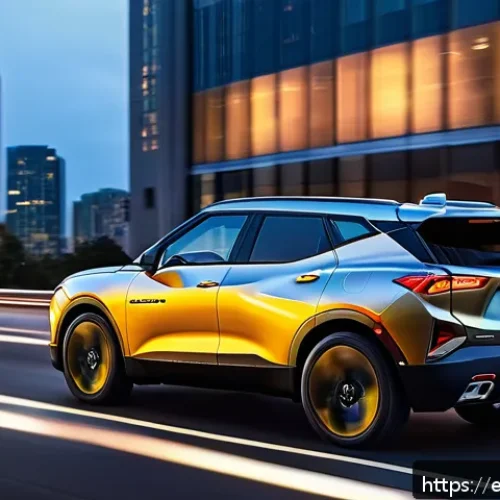
지엠 쉐보레 스파크 소형차 시장 점유율 - **The Modern Economical Crossover for Today's Driver:**
    A clean, wide-angle shot of a stylish 20...

Another factor that often gets overlooked in the excitement of buying a new car is the ongoing cost of maintenance, repairs, and insurance. The Spark was known for its relatively low running costs, which was a huge draw.

When you’re comparing today’s affordable options, digging into reliability ratings and estimated insurance premiums can be incredibly revealing. A car that’s cheap to buy but constantly in the shop or costs a fortune to insure isn’t really “affordable” in the long run.

I’ve personally been burned by a seemingly great deal that turned into a money pit, so trust me on this one. It’s worth checking out resources like Kelley Blue Book or Edmunds for their “5-Year Cost to Own” figures, which factor in depreciation, fuel, insurance, and maintenance.

Sometimes, a slightly higher purchase price for a more reliable model can actually save you money down the road.

Advertisement

A Glimpse into Tomorrow: The Future of Urban Mobility

The Rise of Electrification in Small Packages

It’s clear the automotive world is accelerating towards an electric future, and small cars are definitely part of that revolution. While the gas-powered Spark is gone from many markets, there’s even talk of a new 2026 Chevrolet Spark EUV, potentially an electric urban crossover.

This highlights a fascinating trend: the spirit of the Spark – compact, efficient, city-friendly – might very well live on in electric form. With growing environmental concerns and evolving government regulations, automakers are heavily investing in electric and hybrid compact vehicles.

We’re seeing more affordable EVs and hybrids emerging that combine the benefits of a smaller footprint with zero-emission technology. As battery costs continue to decline and charging infrastructure expands, I genuinely believe we’ll see a resurgence of truly economical, small electric cars tailored for urban and suburban needs.

It’s an exciting prospect for budget-conscious drivers who are also environmentally minded.

Smart Tech and Safety: Modern Small Cars Deliver More

Today’s small cars, even the most affordable ones, are lightyears ahead of their predecessors when it comes to technology and safety. I mean, my old beat-up car from a decade ago felt like a cave compared to what even basic models offer now!

We’re talking about advanced safety features like automatic emergency braking, lane-keeping assist, and blind-spot monitoring becoming standard on many compacts.

Plus, infotainment systems with Apple CarPlay and Android Auto are practically a given, making connectivity seamless. These aren’t just fancy gadgets; they genuinely enhance the driving experience and make these smaller vehicles feel much more substantial and secure.

The market trend indicates that consumers expect these features, regardless of a car’s size or price point, and automakers are stepping up to deliver.

This means that while we might miss the ultra-low price tag of the original Spark, the small cars of the future, whether gasoline-powered or electric, will offer an incredible amount of value and sophistication for their size.

Making Smart Moves: Navigating Your Next Vehicle Purchase

Assessing Your Needs: City Life vs. Open Road Adventures

Before you even start browsing, taking a real, honest look at your driving habits and needs is key. I’ve seen too many people buy a massive SUV just because everyone else has one, only to realize it’s a nightmare to park in the city and costs a fortune in gas!

If you’re primarily commuting in urban areas, dealing with tight parking, and rarely hauling large items, a compact car or a subcompact crossover truly makes the most sense.

Vehicles like the Nissan Versa, Hyundai Venue, or a used Honda Fit (if you can find one in good shape!) are excellent for city life. They’re nimble, efficient, and much easier on the wallet in terms of both purchase price and running costs.

On the other hand, if weekend road trips or carrying more passengers are a regular occurrence, then a slightly larger compact SUV might be a better fit, offering that extra versatility without going full-blown behemoth.

It’s all about finding that sweet spot that aligns with *your* lifestyle, not just what’s trending.

The Used Car Market: Unlocking Hidden Gems

Given the current climate of elevated new car prices, I often tell people not to shy away from the used car market. This is where you can truly find some incredible value, especially if you’re looking for something akin to the beloved Chevrolet Spark.

While new Sparks are no longer available, there are plenty of pre-owned models out there that still offer that fantastic fuel economy and city-friendly size at an even more attractive price point.

Beyond the Spark, reliable used subcompacts like the Honda Fit, Toyota Yaris, or even earlier models of the Nissan Versa or Kia Rio can be absolute gems.

Just be sure to do your due diligence: get a vehicle history report, have it inspected by a trusted mechanic, and take a thorough test drive. With a little patience and smart searching, you can definitely find a reliable, economical ride that fits your budget perfectly, keeping that spirit of affordable transportation alive and well.

Vehicle Model Type Key Strengths Approx. Starting MSRP (USD, 2024/2025)
Chevrolet Spark (Discontinued 2022) Subcompact Hatchback Ultra-affordable, excellent city maneuverability, fuel-efficient $14,595 (2022 model)
Nissan Versa Subcompact Sedan Cheapest new car, spacious interior, good fuel economy $18,330
Mitsubishi Mirage Subcompact Hatchback/Sedan Very affordable, exceptional fuel economy (for non-hybrid) $18,015
Kia Rio Subcompact Sedan/Hatchback Great value, comfortable ride, solid warranty $17,000 – $19,000
Hyundai Venue Subcompact Crossover Affordable crossover, good features for price, versatile $21,550
Chevrolet Trax Subcompact Crossover Modern design, updated tech, SUV feel at lower price $21,795
Advertisement

글을 마치며

And so, we bid a fond farewell to the Chevrolet Spark, a true champion of urban mobility and budget-friendly driving. It might be gone from new car lots, but its legacy as an accessible, practical vehicle lives on in our memories and on countless city streets. This journey through its history and the shifting automotive landscape really highlights how quickly things change, and how crucial it is for us, as consumers, to stay informed and adaptable. While the era of the ultra-cheap new car seems to be fading, the quest for value, efficiency, and smart transportation continues unabated. It’s a reminder that every car tells a story, and the Spark’s story is one of simple reliability and an honest approach to getting from point A to point B without any fuss.

알아두면 쓸모 있는 정보

1. Always look beyond the sticker price when buying a car. Factor in fuel costs, insurance premiums, and estimated maintenance expenses over several years to understand the true cost of ownership. It can make a huge difference in your budget!

2. Don’t shy away from the used car market, especially for models like the Chevrolet Spark or other reliable subcompacts. You can often find fantastic value and extend the life of a great, economical vehicle that fits your needs perfectly.

3. Research the “cheapest new cars” available in your market, but remember that this title can change year by year. Current contenders often include the Nissan Versa, Mitsubishi Mirage, and Kia Rio, each offering a different blend of features and economy.

4. Consider your lifestyle honestly. If you’re mainly a city driver or commuter, a compact car or subcompact crossover often offers the best balance of maneuverability, fuel efficiency, and parking ease compared to larger SUVs.

5. Keep an eye on the emerging market of affordable electric and hybrid compacts. As technology advances and prices drop, these vehicles are poised to offer exceptional long-term savings and a smaller environmental footprint, carrying on the spirit of efficient urban transport.

Advertisement

중요 사항 정리

The Chevrolet Spark, a beloved subcompact, was discontinued after the 2022 model year due to changing consumer preferences towards larger crossovers and SUVs. Its departure left a void for those seeking an ultra-affordable new car, forcing many to consider slightly pricier compact sedans or entry-level subcompact crossovers like the Nissan Versa, Kia Rio, or Chevrolet Trax. The current automotive market is characterized by higher new car prices, inflation, and increasing interest in total cost of ownership, including fuel economy and maintenance. Looking forward, the future of urban mobility may see a resurgence of compact, efficient vehicles, likely in electric or hybrid forms, equipped with modern technology and advanced safety features, ensuring that the spirit of practical, affordable transportation continues to evolve.

Frequently Asked Questions (FAQ) 📖

Q: Why did Chevrolet decide to discontinue the Spark, especially when budget-friendly cars seem to be making a comeback?

A: Oh, this is a question I hear a lot, and it’s totally understandable given how the market feels right now! From my own experience watching automotive trends, it’s a bit of a bittersweet story.
Chevrolet actually ceased production of the Spark for the 2023 model year, with the last one rolling off the assembly line in August 2022. The main reason, and honestly, it makes sense from a business perspective, was a shift in consumer demand.
For a while there, everyone seemed to be flocking to larger subcompact crossovers and SUVs, and sales for smaller hatchbacks like the Spark just couldn’t keep up.
The Spark had been the cheapest new car in the U.S. for years, which was fantastic for buyers, but those higher-margin SUVs and trucks became the focus for manufacturers.
It wasn’t really a reflection of the Spark’s quality – it was more about the changing tide of what people were buying at the time.

Q: What made the Chevrolet Spark such a popular and beloved choice for budget-minded drivers?

A: You know, it’s funny how a little car can make such a big impact, right? The Spark really carved out a special place, and I can totally see why it was so beloved.
Its affordability was, without a doubt, a massive draw; it was consistently one of the lowest-priced new cars available. But it wasn’t just about the price tag!
From my perspective, the Spark offered fantastic fuel efficiency, which is always a win, especially when gas prices fluctuate. It was also incredibly nimble and easy to maneuver, making it a dream for city driving and squeezing into tight parking spots.
And let’s not forget the interior; for its size, it felt surprisingly spacious and often came with modern tech features like a decent infotainment system, Apple CarPlay, and Android Auto, which you wouldn’t necessarily expect from such an affordable car.
It really packed a lot of value into a small, stylish package.

Q: Are there any good alternatives to the Spark for those of us looking for a new, super-affordable compact car in today’s market?

A: That’s the million-dollar question, isn’t it? Losing the Spark definitely left a gap for folks who needed that ultra-low price point. While finding a new car under $15,000 like the Spark used to be is incredibly tough these days – the cheapest new cars now typically start around $21,000 – there are still some fantastic budget-friendly compacts out there if you’re willing to flex your budget a little.
Based on what I’ve seen hitting the market and from talking to people who are actively shopping, models like the Nissan Versa, Hyundai Elantra, Kia Forte (or the new Kia K4), and the Toyota Corolla consistently come up as solid options.
They all offer a great balance of fuel efficiency, modern features, and reliability. Chevrolet itself now points customers towards their Trax or Trailblazer subcompact crossovers as alternatives, though those do sit at a higher price point than the Spark ever did.
It really shows how the market has shifted, but thankfully, there are still excellent choices for smart shoppers prioritizing economy and functionality!