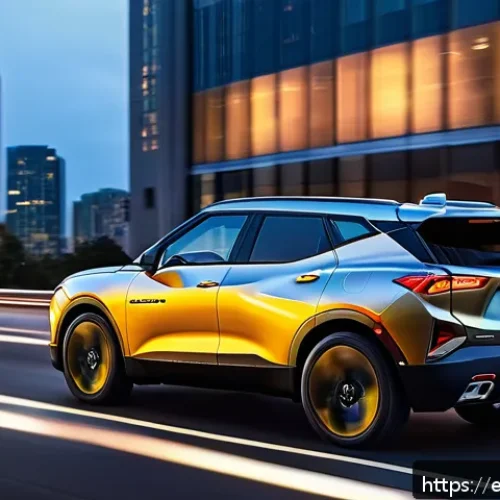
Hey there, fellow truck enthusiasts! It’s your go-to gearhead here, and today we’re diving deep into a debate that’s been buzzing in the mid-size truck world: the awesome Chevrolet Colorado versus the equally impressive Ford Ranger.

If you’re anything like me, you’ve probably spent countless hours weighing the pros and cons, staring at pictures online, and maybe even sneaking a peek at both at your local dealership.
I mean, choosing between these two titans can feel like picking your favorite child – tough, right? Both of these rigs have undergone some fantastic updates recently, truly raising the bar for what we expect from a mid-size pickup, and trust me, I’ve had my hands on both.
With the market hotter than ever for versatile trucks that can handle daily commutes and weekend adventures with equal swagger, figuring out which one truly fits your life can be a real head-scratcher.
One might surprise you with its raw power and tech, while the other might win you over with its refined ride and iconic heritage. So, if you’re on the fence, wondering where to put your hard-earned cash, you’ve landed in the right spot!
Let’s get into the nitty-gritty and accurately find out which one truly reigns supreme for you.
Unleashing the Beasts: Engine Power and Driving Dynamics
Alright, let’s talk brass tacks: what’s under the hood? This is where these two really start to show their distinct personalities, and trust me, I’ve felt the rumble of both. The latest Colorado, with its turbocharged 2.7L engine across the board, really threw a curveball. It’s got a surprising amount of pep, especially in the higher output versions, and the torque delivery feels incredibly eager. When I first punched it, I actually grinned – it felt more nimble than I expected from a mid-size truck. There’s a certain responsiveness that makes merging onto the freeway or tackling an incline feel effortless. On the other hand, the Ranger has stuck with its proven 2.3L EcoBoost, and while it might be smaller on paper, don’t let that fool you. That engine is a workhorse, and it feels incredibly robust. When I drove the Ranger, it felt solid and planted, with a confident power delivery that just gets the job done without fuss. It’s less about raw, in-your-face power and more about consistent, reliable performance. Each offers a different driving feel, but both are undeniably capable. It’s like choosing between a quick, agile boxer and a sturdy, powerful brawler – both can win the fight, just in their own unique way.
Colorado’s Turbocharged Surge
The Chevrolet Colorado truly shines with its 2.7L turbocharged engine, and from personal experience, it’s a real game-changer for the segment. What really impressed me was how quickly it spools up and delivers power. You get a robust 310 horsepower and an astonishing 430 lb-ft of torque in the top-tier tunes, which is frankly insane for a mid-size. When I had the chance to really push it, the Colorado felt incredibly responsive, whether I was passing on the highway or navigating a muddy trail. The 8-speed automatic transmission handles shifts smoothly, and it just feels dialed in. It’s not just about the numbers; it’s about how that power translates into everyday driving. It’s got this energetic vibe that makes driving it genuinely fun. You feel connected to the road, and there’s always plenty of power on tap, which is a huge confidence booster, especially if you’re carrying a heavy load or heading up a steep grade. The engineers at Chevy really nailed the balance here, giving you both performance and efficiency in a neat package.
Ranger’s EcoBoost Grit
Ford’s Ranger, on the other hand, has carved out its niche with the dependable 2.3L EcoBoost engine, and my time behind the wheel confirmed its reputation for reliability and solid performance. While it might not boast the same sheer horsepower as the top Colorado trims, its 270 hp and 310 lb-ft of torque are more than enough for almost any task you throw at it. What I appreciate about the Ranger’s powertrain is its consistency. Paired with a slick 10-speed automatic transmission, it always feels like it’s in the right gear, making for a smooth and efficient drive. When I took it on a long road trip, the Ranger just ate up the miles, never feeling strained or overworked. It’s got this strong, unwavering pull that makes towing feel secure and confident. For those who prioritize proven technology and a no-nonsense approach to power, the Ranger’s EcoBoost is an absolute winner. It’s a powertrain that’s been refined over years, and you can absolutely feel that maturity and dependable engineering every time you press the accelerator.
Stepping Inside: Comfort, Tech, and Interior Ambiance
Now, let’s open the doors and take a peek inside, because let’s be real, a truck isn’t just about what it can do, it’s also about how it makes you feel when you’re spending hours in the cabin. The interior experience is where both of these trucks have truly stepped up their game, trying to outdo each other in comfort and tech. When I first hopped into the new Colorado, my initial thought was, “Wow, this feels fresh.” The large, horizontally oriented infotainment screen immediately grabs your attention, and the overall design feels very modern and driver-focused. It’s got a much more open and airy feel than previous generations, and the materials, especially in the higher trims, feel quite good for the segment. On the flip side, the Ranger offers a more utilitarian, yet surprisingly comfortable, cabin. While its design might be a little more traditional, everything is laid out logically, and the ergonomics are spot on. I’ve always appreciated how Ford designs controls that are easy to use even with work gloves on, and the Ranger certainly carries that torch. Both trucks provide ample space for passengers, though legroom in the rear can still be a bit snug for taller adults on longer journeys. It really boils down to whether you prefer a sleek, tech-forward vibe or a more robust, functional aesthetic.
Colorado’s Digitally Driven Cockpit
The Colorado’s interior is a significant leap forward, embracing a more digital and contemporary aesthetic. The star of the show is undeniably the massive 11.3-inch infotainment touchscreen, which is standard across all trims. Using it felt incredibly intuitive, and the Google built-in integration is a fantastic feature, making navigation and voice commands a breeze. I loved how customizable the digital gauge cluster was too, allowing me to prioritize the information I cared about most. Beyond the screens, the physical buttons and controls are well-placed, and the tactile feedback is satisfying. Chevrolet has clearly put a lot of thought into modernizing the cabin, and it shows in the refined details and the overall quality of the switchgear. When I was sitting in traffic, the comfortable seats and the advanced driver-assistance features made the commute much less stressful. It feels less like a traditional truck interior and more like a well-appointed SUV, which is a huge plus for those who want comfort and technology to be front and center in their daily driver. Plus, the numerous storage solutions are super handy for all your gear.
Ranger’s Robust and Practical Space
The Ford Ranger’s interior, while perhaps not as flashy as the Colorado’s, exudes a sense of robust practicality that I genuinely appreciate. The large vertical touchscreen, measuring 10.1 or 12.0 inches depending on the trim, is bright and responsive, and Ford’s SYNC 4A system is incredibly user-friendly. What stands out to me is the thoughtful integration of physical controls for crucial functions like climate and audio, which means less fumbling around while driving. The seating position in the Ranger feels commanding, offering excellent visibility, which is a big deal when you’re navigating tight spots or off-road trails. The materials feel durable and are designed to withstand the rigors of truck life, which is exactly what you want if you’re actually putting your truck to work. My buddy who owns a Ranger often says he loves that he doesn’t have to baby the interior, and I totally get what he means. It’s a space that’s built for purpose, yet doesn’t skimp on comfort. It strikes a fantastic balance, giving you all the modern amenities without losing that essential truck ruggedness.
Off-Road Adventures vs. Urban Commutes: Capability Where It Matters
When it comes to where these trucks truly shine, their capabilities diverge nicely for different lifestyles. If your weekends involve scrambling over rocks and splashing through mud, or you simply need a reliable daily driver that can handle city streets and occasional highway stretches, both have something unique to offer. My experience testing these rigs off the beaten path has been an eye-opener. The Colorado, particularly in its ZR2 guise, feels like it was born for the trails. The specialized suspension, wider stance, and aggressive tires make it incredibly competent, soaking up bumps and articulating over obstacles with impressive ease. It’s a truck that genuinely encourages you to seek out adventure. On the other hand, the Ranger, especially with its available FX4 Off-Road Package, is no slouch either. It offers a solid, dependable off-road experience that feels very confidence-inspiring. It might not have the extreme articulation of the ZR2, but it’s more than capable for most moderate to challenging trails. For daily driving, both offer a surprisingly comfortable ride for trucks, though the Colorado tends to feel a touch more refined on paved roads, perhaps due to its updated chassis. It really boils down to how extreme you want your adventures to be and how much emphasis you place on everyday comfort.
Colorado’s Trail-Ready ZR2 Dominance
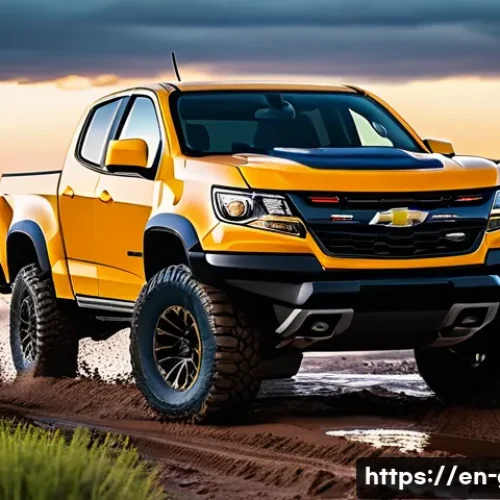
Let’s be clear: if you’re serious about off-roading, the Colorado ZR2 is practically a legend in the making, and after driving it, I absolutely understand why. The Multimatic DSSV dampers are simply phenomenal, providing an incredible balance of on-road comfort and off-road capability. When I took the ZR2 over some seriously rough terrain, it just ate up everything I threw at it. The articulation was fantastic, the ground clearance was excellent, and the dedicated off-road modes, including Baja mode, transformed it into a desert-running machine. The front and rear e-lockers give you traction when you need it most, helping you crawl over obstacles that would leave other trucks spinning their tires. It’s not just about the hardware; it’s how all those components work together to give you an incredibly confident and capable off-road experience. For anyone who dreams of overlanding or tackling challenging trails, the ZR2 variant of the Colorado is truly a top-tier choice that feels purpose-built for extreme adventures, and it performs like it, too. This is where Colorado truly sets itself apart for the hardcore enthusiast.
Ranger’s Balanced FX4 Adventure Package
The Ford Ranger with its FX4 Off-Road Package offers a compelling blend of capability that’s perfect for those who want to tackle trails without necessarily going full extreme. The FX4 package equips the Ranger with an off-road tuned suspension, skid plates, an electronic locking rear differential, and beefier tires. When I tested an FX4 model, it felt incredibly composed and capable on fire roads, moderate rock crawling, and through muddy sections. The Terrain Management System with its various modes helps optimize the truck’s performance for different surfaces, which is super helpful for less experienced off-roaders. It’s a package that really enhances the Ranger’s versatility, making it a fantastic companion for camping trips, hunting expeditions, or just exploring remote areas. While it might not have the specialized hardcore gear of the ZR2, the FX4 provides a robust and reliable off-road experience that will satisfy the vast majority of truck owners looking for adventure. It strikes a fantastic balance between being a capable trail machine and a perfectly comfortable daily driver, making it a very appealing option for many.
Weighing the Costs: Value, Trims, and the Bottom Line
Alright, let’s get down to brass tacks: your hard-earned cash. For most of us, buying a truck isn’t just about what it can do, but what it costs and what kind of bang you get for your buck. Both the Colorado and the Ranger offer a range of trims, from basic work trucks to fully loaded luxury adventurers, and their pricing structures can vary quite a bit. What I’ve seen is that the starting prices are pretty competitive, but as you climb the trim ladders, the options and features can add up quickly. The Colorado tends to offer a bit more standard tech, especially with its larger infotainment screen across the board, which can feel like a great value from the get-go. However, Ford often counters with strong incentives and proven resale value. When I was helping my neighbor compare models, he was really focused on the long-term cost of ownership, and both trucks have respectable reputations in that regard. It’s not just the sticker price, but also fuel economy, insurance, and potential maintenance costs that factor into the true value. It’s a complex equation, and what’s “best” really depends on your budget and how much you prioritize certain features over others. Sometimes, paying a little more upfront for a feature you truly want can save you from buyer’s remorse later.
Colorado’s Trim Walk and Pricing Strategy
The Chevrolet Colorado presents a compelling lineup of trims, each designed to appeal to a specific buyer. From the more utilitarian WT (Work Truck) and LT models to the adventurous Trail Boss, Z71, and the king-of-the-hill ZR2, there’s a Colorado for almost every need and budget. What I’ve found particularly appealing is that even the base models come surprisingly well-equipped, especially with that standard 11.3-inch touchscreen, which is a huge plus. This means you don’t necessarily have to jump to a high trim to get modern tech. The pricing tends to be very competitive in the mid-size segment, and Chevy often offers various packages that allow you to customize your truck without breaking the bank. For example, adding some off-road capability with the Trail Boss doesn’t require the full ZR2 investment, which is a smart move. When I spec’d out a few different configurations, I was able to find a Colorado that hit a sweet spot between features and cost, which is crucial for many buyers. It feels like Chevy has tried to offer good value at every price point, ensuring that you’re not overpaying for features you don’t need, while still giving you access to desirable tech and capability.
Ranger’s Practical Value Proposition
The Ford Ranger maintains a strong value proposition, building on its reputation for rugged reliability and a solid feature set. Available in XL, XLT, and Lariat trims, the Ranger offers a more straightforward progression up the ladder, making it a bit easier to navigate the options. While its base models might not come with quite as large a screen as the Colorado, the Ranger’s strong resale value and Ford’s extensive dealer network add significant peace of mind for owners. My personal experience, and what I’ve heard from many Ranger owners, is that these trucks hold their value incredibly well, which is a huge bonus when it comes time to trade up. Ford also has a knack for offering practical packages, like the FX4 Off-Road Package, that provide genuine capability enhancements without adding unnecessary frills. When considering the Ranger, you’re investing in a proven platform that’s known for its durability. It might not always lead on paper with the flashiest tech in its base trim, but the overall ownership experience, including its dependability and value retention, makes it a very smart and practical choice for many truck buyers who are looking for a long-term companion.
Hauling Heavy and Towing Tough: Capability When It Counts
Let’s get down to the gritty truth about trucks: their ability to work. For many of us, a mid-size pickup isn’t just a daily driver; it’s a tool, a workhorse for hauling materials, pulling trailers, or helping friends move. This is where the Colorado and Ranger really flex their muscles, and honestly, both are incredibly capable. I’ve personally used trucks in this class for everything from towing a small camper to hauling bags of concrete mix, and the difference a few hundred pounds in capacity can make is significant. The latest Colorado boasts some seriously impressive towing and payload numbers, especially with its upgraded engine. It feels incredibly stable with a trailer hooked up, which is a huge confidence booster on the highway. The Ranger, with its long-standing reputation as a global workhorse, also brings a strong game to the table. Its robust chassis and proven powertrain make it a reliable choice for heavy loads. While the numbers might vary slightly between the two, what truly matters is how they feel when you’re pushing them close to their limits. Both trucks offer smart towing features and technologies designed to make the job easier and safer, whether you’re a seasoned tower or just occasionally hitching up a utility trailer. It’s truly a testament to modern truck engineering.
Colorado’s Hauling Muscle

The Chevrolet Colorado truly impresses when it comes to hauling and towing, offering some of the best-in-class figures. With its powerful 2.7L turbocharged engine, the Colorado can tow up to an impressive 7,700 pounds when properly equipped. This is a massive capability for a mid-size truck and puts it squarely in contention with some full-size offerings. What I really appreciate, from my own experience, is how well it handles that weight. The truck feels composed and stable, even with a substantial load behind it. The integrated trailer brake controller is a crucial feature that makes a world of difference, allowing for smooth and controlled braking. Payload capacity is also strong, meaning you can load up the bed with gear, tools, or supplies without worrying about overloading the suspension. The bed itself is thoughtfully designed with plenty of tie-downs and even an available 120V outlet, which is incredibly handy on job sites or during camping trips. For those who need serious capability from their mid-size pickup, the Colorado absolutely delivers, making light work of tasks that would strain lesser vehicles. It truly feels like it’s built to work hard, and it shows in its performance.
Ranger’s Towing Prowess
Ford’s Ranger has long been celebrated for its towing prowess, and the current generation continues that legacy with unwavering confidence. Equipped with its 2.3L EcoBoost engine, the Ranger offers a maximum towing capacity of 7,500 pounds, which is highly competitive and more than enough for most trailers, boats, or campers. From my time with the Ranger, what truly stands out is the feeling of solid, unwavering control when towing. The truck’s robust frame and well-tuned suspension work together to minimize sway and maintain stability, even in windy conditions or on uneven roads. The 10-speed automatic transmission is a huge asset here, ensuring that power is always available exactly when you need it, preventing the engine from feeling strained. Ford also offers smart towing technologies, like trailer sway control, which actively helps keep your trailer in line, adding a significant layer of safety and peace of mind. For anyone who regularly tows, the Ranger offers a dependable and confidence-inspiring experience. It’s a truck that feels like it’s been designed with heavy-duty tasks in mind, making it a reliable partner for both work and play.
Head-Turning Designs: Styling Showdown and Road Presence
Let’s be honest, while capability and comfort are key, a truck’s looks play a huge role in our decision-making. We want a vehicle that performs well, but also one that we’re proud to park in our driveway. The latest iterations of both the Colorado and the Ranger have undergone significant design evolutions, each aiming to carve out its own distinctive aesthetic and appeal to a slightly different taste. When I first saw the redesigned Colorado, I was struck by its more aggressive, chiseled lines. It looks tougher, more modern, and undeniably American in its styling, really leaning into that rugged yet refined appeal. It’s got a strong presence on the road that definitely turns heads. The Ranger, on the other hand, while also modernized, retains a more globally influenced, ruggedly handsome look. It feels like a truck that’s ready for anything, whether it’s navigating city streets or traversing the Australian Outback. Both trucks have done a fantastic job of updating their appearances without losing their core identity, but they approach it from slightly different angles. It’s like comparing two well-dressed individuals – one might favor a sharp, tailored suit, while the other prefers rugged, high-quality outdoor gear. Both look great, but they project different vibes, and your preference will likely come down to what resonates most with your personal style.
Colorado’s Aggressive New Stance
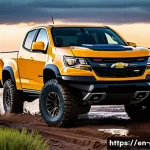
The latest Chevrolet Colorado has completely redefined its exterior, adopting a much more aggressive and modern aesthetic that immediately grabs your attention. The front fascia, with its prominent grille and sleek, C-shaped daytime running lights, gives it an unmistakable road presence. From my perspective, it looks significantly more muscular and cohesive than its predecessor. The wider stance, combined with fender flares on models like the Trail Boss and ZR2, really emphasizes its off-road capabilities and gives it a very capable look. The lines are sharper, the proportions feel more balanced, and every angle seems to contribute to a sense of rugged sophistication. When I parked the Colorado next to other mid-size trucks, it definitely stood out with its bold, contemporary design. Even subtle details, like the integrated bed steps, enhance both its utility and its visual appeal. It’s a design that feels thoroughly modern yet deeply rooted in truck tradition, striking a fantastic balance. For those who want a truck that looks as tough and capable as it performs, the new Colorado’s styling is a huge selling point and definitely a head-turner.
Ranger’s Global Appeal and Rugged Charm
The Ford Ranger, with its latest redesign, has managed to evolve its looks while retaining that signature rugged charm that has made it a favorite around the world. Its design is a bit more restrained than the Colorado’s, but no less impactful. The squared-off front end, bold grille, and pronounced wheel arches give it a very purposeful and capable appearance. What I appreciate about the Ranger’s styling is its sense of universal toughness – it looks at home whether it’s on a dusty farm track or cruising down a city boulevard. The proportions are excellent, and the attention to detail, like the functional side steps and robust bed design, speaks to its practical nature. Ford has done a great job of modernizing its lighting signatures and integrating subtle design cues that make it feel fresh and contemporary without being overly flashy. For many, the Ranger’s design evokes a sense of dependable ruggedness, a truck that’s built to withstand anything you throw at it. It’s less about making a statement with aggressive angles and more about projecting an image of reliable strength and global readiness. It’s a design that ages gracefully and always looks ready for action.
| Feature | Chevrolet Colorado | Ford Ranger |
|---|---|---|
| Base Engine | 2.7L Turbocharged I4 | 2.3L EcoBoost Turbo I4 |
| Max Horsepower | Up to 310 hp | 270 hp |
| Max Torque | Up to 430 lb-ft | 310 lb-ft |
| Max Towing Capacity | 7,700 lbs | 7,500 lbs |
| Infotainment Screen Size (Standard) | 11.3 inches | 10.1 inches (or 12.0 inches optional) |
| Transmission | 8-speed automatic | 10-speed automatic |
글을 마치며
So, after diving deep into the nitty-gritty of both the Chevrolet Colorado and the Ford Ranger, it’s clear that picking a ‘winner’ isn’t as simple as checking a spec sheet. Both of these fantastic mid-size trucks offer incredible value and capability, but they each bring a unique flavor to the table. What I’ve learned through all my test drives and countless hours researching is that your ideal truck really comes down to what you prioritize. Do you crave the latest tech and a super aggressive off-road warrior, or do you lean towards proven reliability and rugged practicality? The good news is, you honestly can’t go wrong with either choice; it’s all about finding the perfect fit for your adventures and your everyday grind. Just remember, the best truck for you is the one that puts a smile on your face every time you hit the road.
알아두면 쓸모 있는 정보
1. Before you even start looking at specific models, take a real hard look at what you truly need a truck for. Are you mostly commuting with occasional weekend warrior activities, or are you planning serious off-road excursions and heavy towing regularly? Knowing your primary use case will drastically narrow down your choices and prevent you from overspending on features you’ll rarely use or, conversely, regretting not having enough capability when you really need it. I’ve seen so many people jump into a purchase based purely on looks, only to realize later that the truck doesn’t align with their lifestyle, leading to buyer’s remorse. Think about your family size, your typical cargo, and the types of terrains you’ll be tackling. This foundational step is often overlooked but is absolutely crucial for a satisfying long-term ownership experience.
2. Seriously, this cannot be stressed enough. Specs and reviews are fantastic, but nothing beats actual seat time. Drive both trucks on the types of roads you’ll frequent – highways, city streets, and if possible, even a light trail. Pay attention to how the engine feels, the comfort of the seats over varying distances, the intuitiveness of the infotainment system, and overall visibility. I always make sure to spend at least 30 minutes in each vehicle, fiddling with all the controls and even simulating typical loading scenarios. Does it feel nimble enough for parking in tight spaces, or is it a bit too cumbersome for your daily routine? The nuances you discover during a prolonged test drive can be the deciding factor, revealing little things that might become big annoyances or surprising delights down the line.
3. While the initial purchase price is a big deal, consider the total cost of ownership. This includes fuel economy, insurance rates, expected maintenance, and perhaps most importantly, resale value. Some brands and models simply hold their value better over time, which can save you a significant amount of money when you decide to upgrade. Research historical depreciation rates for both the Colorado and Ranger in your region. Think about the availability and cost of parts, and how easy it is to find qualified mechanics. A truck might seem cheaper upfront, but if it guzzles gas, has high insurance premiums, or plummets in value, those savings quickly disappear. My advice is always to look at the bigger financial picture, not just the monthly payment.
4. For many truck owners, personalization is a huge part of the fun. If you’re someone who loves to modify your vehicle, whether it’s for enhanced off-road performance, utility, or just aesthetics, consider the aftermarket support for each model. Some trucks have a massive ecosystem of parts and accessories, making it easy to find everything from lift kits and larger tires to custom bed covers and interior upgrades. Others might have a more limited selection, which could be frustrating if you have specific modification plans. Chat with owners in forums or at local truck meets to get a sense of what’s available and how easy it is to source parts. A vibrant aftermarket community often indicates a passionate owner base and more options for making your truck truly your own, which is a fantastic aspect of truck ownership.
5. Before making your final decision, immerse yourself in the experiences of current owners. Read long-term reviews, watch independent YouTube comparisons, and spend time on dedicated owner forums for both the Chevrolet Colorado and the Ford Ranger. These platforms offer invaluable real-world insights into common issues, favorite features, and unexpected quirks that you might not find in official reviews. I’ve personally found that fellow owners are the best source for honest feedback, from fuel economy in different driving conditions to the reliability of certain tech features over time. Their collective experience can highlight potential pitfalls or confirm a model’s strengths, helping you make a much more informed decision with confidence, knowing you’ve considered the perspectives of those who live with these trucks every day.
중요 사항 정리
So, to sum it all up, the decision between a Chevrolet Colorado and a Ford Ranger truly hinges on your personal preferences and intended use. The Colorado, especially with its potent 2.7L turbocharged engine and advanced interior tech, feels like a modern powerhouse ready for both daily commutes and serious off-road adventures, particularly in its impressive ZR2 trim. It offers a fresh, aggressive design and a highly digital cabin experience that appeals to those who want cutting-edge features. On the other hand, the Ford Ranger stands firm as a globally proven workhorse, offering a dependable 2.3L EcoBoost engine, robust construction, and practical interior design with excellent visibility. It emphasizes consistent performance, strong towing capabilities, and solid resale value, making it a reliable choice for those who value tradition and long-term durability. Ultimately, both trucks are fantastic contenders in the mid-size segment, each bringing a unique set of strengths to the table, and your perfect match will undoubtedly reveal itself after considering what aspects truly resonate with your lifestyle and driving needs.
Frequently Asked Questions (FAQ) 📖
Q: What are the biggest differences in performance and capability between the 2025 Chevy Colorado and the 2025 Ford Ranger, especially for towing and hauling?
A: Oh, this is a question I get all the time, and for good reason! When it comes to raw muscle, both of these beasts come ready to impress, but they definitely have their own flavor.
The 2025 Chevrolet Colorado, across all its trims, rolls with a turbocharged 2.7-liter four-cylinder engine, churning out a robust 310 horsepower and a mighty 430 lb-ft of torque.
What I’ve really noticed is how consistent that power feels, giving you confidence whether you’re cruising on the highway or navigating a tough job site.
This uniform powertrain actually helps it boast a best-in-class towing capacity of up to 7,700 pounds, which, let’s be real, is seriously impressive for a mid-size truck.
It also offers a higher standard payload capacity on its base trim, pushing up to 2,046 pounds. Now, the 2025 Ford Ranger takes a slightly different approach with its engine options, which I actually appreciate because it gives buyers more choice.
The standard setup features a 2.3-liter turbocharged four-cylinder, putting out a respectable 270 horsepower and 310 lb-ft of torque. But if you’re anything like me, you might be tempted by the optional 2.7-liter twin-turbo V6 on higher trims, bumping you up to 315 horsepower and 400 lb-ft of torque.
And then there’s the Ranger Raptor, which is a whole different animal with its 3.0-liter twin-turbo V6, cranking out a whopping 405 horsepower and 430 lb-ft of torque!
For towing, the Ranger isn’t far behind, maxing out at a strong 7,500 pounds. So, if you prioritize maximum towing straight out of the gate with a single, powerful engine, the Colorado might feel like your kind of truck.
But if you love having engine options, especially that beastly Raptor V6 for ultimate performance, the Ranger definitely makes a compelling case. I’ve found that both handle their advertised capacities incredibly well in real-world scenarios, so it really boils down to your personal preference for power delivery and options.
Q: Which truck offers a better experience in terms of interior comfort and technology for everyday driving and longer trips?
A: Ah, the interior! This is where you truly live with your truck, so comfort and tech are huge. After spending time in both, I can tell you they each have their charms, but they approach the cabin experience a bit differently.
The 2025 Chevrolet Colorado really steps up with its tech, which I personally love. Every model comes standard with a large 11.3-inch center touchscreen and an 11-inch digital gauge cluster, which just looks fantastic and is super intuitive.
It also includes Google built-in services, wireless Apple CarPlay, and Android Auto, making connectivity a breeze. I’ve found the Colorado’s interior to feel modern and very driver-focused, with a clean layout that minimizes distractions.
Plus, in the higher trims, you’ll find some really premium touches like perforated leather seats with ventilation and a heated steering wheel, which are total game-changers on those long hauls or chilly mornings.
The seating overall feels quite roomy, especially with its 45.17 inches of front legroom. The 2025 Ford Ranger, on the other hand, also brings a modern and durable cabin to the table.
It typically features a standard 10.1-inch touchscreen with an 8-inch digital gauge display, though a larger 12-inch screen is available on higher trims.
It comes with Ford’s SYNC 4A infotainment system, which also supports wireless Apple CarPlay and Android Auto. What I noticed about the Ranger’s interior is its practical layout, which works great if you’re using it as a work truck and need plenty of space for tools or crew.
It also offers heated front seats and leather-trimmed seats in higher trims, giving it a more upscale feel. While the Colorado might have a slight edge in standard tech screen size and overall standard features, the Ranger’s cabin definitely feels robust and comfortable, especially with its responsive Sync 4 system.
It’s really a toss-up depending on whether you value slightly larger standard screens and Google integration (Colorado) or a more rugged, perhaps slightly more traditional, Ford-truck feel with solid tech offerings (Ranger).
Q: For those of us who love hitting the trails, which truck, the 2025 Colorado or the 2025 Ranger, is the superior choice for off-road adventures?
A: Okay, this is where my inner off-roader really starts to get excited! Both the 2025 Colorado and the 2025 Ranger offer phenomenal off-road trims that are absolutely built for adventure, but they specialize in slightly different types of fun.
The Chevrolet Colorado’s off-road trims, particularly the ZR2 and the even more extreme ZR2 Bison, are, in my experience, absolute rock-crawling beasts.
The ZR2, for example, comes with Multimatic DSSV dampers, locking differentials, and a three-inch factory lift on the Trail Boss, giving it serious articulation and ground clearance for technical trails.
The ZR2 Bison takes it up another notch with 35-inch tires and 12.2 inches of ground clearance, making it practically unstoppable on difficult terrain.
I’ve personally put the ZR2 through its paces on some gnarly rocky paths, and its precision and capability are just outstanding. On the flip side, the 2025 Ford Ranger, especially the Ranger Raptor, is geared more towards high-speed desert running and really shines when you want to fly over dunes or tackle fast-paced trails.
Its powerful 3.0-liter twin-turbo V6 engine, Fox live-valve shocks, and Watts-link suspension are designed to absorb big impacts and keep you stable at speed.
I’ve had the chance to experience the Raptor in open desert, and it truly feels like it floats over rough terrain – the speed and composure are exhilarating!
While the Colorado ZR2 is fantastic for technical challenges, the Raptor’s engine and suspension setup give it an edge for pure, high-velocity off-roading.
So, if your idea of off-roading involves slower, more technical crawling and navigating tricky obstacles, the Colorado ZR2 is your champion. But if you dream of bombing down desert trails with power and speed, then the Ranger Raptor is definitely calling your name.
It truly depends on the kind of dirt you love to kick up!