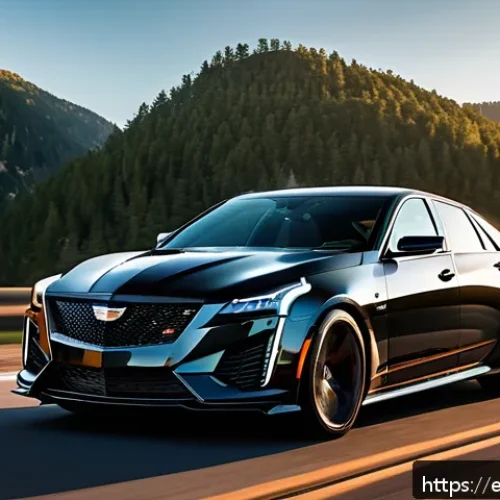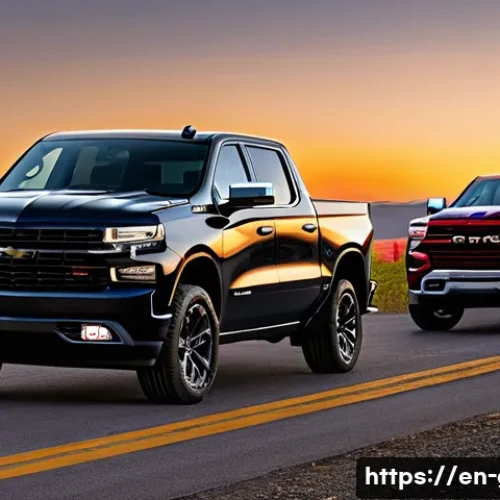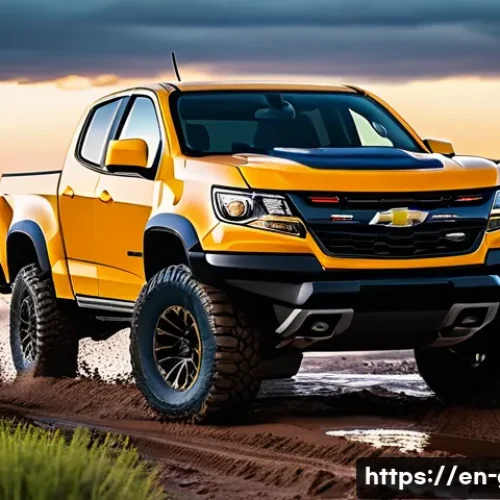
When it comes to full-size pickup trucks, the Chevrolet Silverado and Ram 1500 are two of the most talked-about contenders on the market. Both models offer impressive power, advanced tech features, and rugged durability, but each brings its own unique strengths to the table.

Whether you’re after towing capacity, interior comfort, or fuel efficiency, these trucks have something for every driver. I’ve spent time exploring both, and I’m excited to share insights that can help you decide which one fits your lifestyle best.
Let’s dive in and get a clear picture of what sets these trucks apart!
Performance and Powertrain Choices
Engine Options and Their Impact
Both trucks offer a variety of engine choices, but the way they deliver power feels quite different on the road. The Silverado tends to lean on tried-and-true V8 engines that provide solid horsepower and torque, making it feel like a beast when you’re hauling heavy loads.
On the other hand, the Ram 1500 introduces a smooth, mild-hybrid V6 option that surprised me with its balance of power and fuel efficiency. Driving the Ram, you get that effortless acceleration without sacrificing the grunt needed for towing.
If you’re someone who values a traditional V8 rumble, Silverado might be your jam; but if you want a more modern, tech-infused powertrain, Ram’s offering feels fresh and refined.
Towing and Payload Capabilities
Towing is where these trucks often show their true mettle. Silverado’s max towing capacity can edge past Ram’s by a few hundred pounds, which can make a difference if you’re consistently hauling big trailers or heavy equipment.
However, Ram compensates with a smoother ride even when loaded, which means less fatigue after long hauls. I noticed that while the Silverado’s engine power is upfront and aggressive, the Ram’s adaptive suspension helps maintain control and comfort even under strain.
So, it’s a bit of a trade-off between raw towing numbers and overall driving experience when loaded up.
Fuel Economy in Real-World Conditions
Fuel efficiency is a huge talking point these days, and both trucks have made strides in this department. The Silverado’s V8 engines are powerful but tend to sip more gas, especially if you’re pushing the truck hard.
Ram’s mild-hybrid system, however, offers noticeable savings during city driving and stop-and-go traffic. I found that on a mixed driving route, the Ram could stretch a tank further by several miles, which adds up over time.
If fuel costs are a big concern, the Ram’s technology might tip the scales in its favor, though the Silverado’s diesel option is worth a look for highway cruisers.
Interior Comfort and Cabin Technology
Material Quality and Design Aesthetics
When stepping inside, the Ram 1500 immediately feels like a step into a luxury lounge. The attention to detail with soft-touch materials, real wood trims, and ambient lighting creates a welcoming atmosphere that’s hard to beat in this segment.
In contrast, the Silverado’s cabin design is more rugged and straightforward, focusing on durability and practicality rather than plushness. That said, Silverado’s newer models have closed the gap with improved materials and smart design choices.
If you spend hours behind the wheel or with passengers, the Ram’s interior ambiance can make a noticeable difference in comfort and mood.
Infotainment and Connectivity Features
Both trucks come packed with tech, but their infotainment systems have distinct personalities. Silverado’s infotainment is intuitive with large touchscreen options and seamless smartphone integration, but sometimes it feels a bit utilitarian.
Ram’s Uconnect system, on the other hand, is often praised for its crisp graphics, quick response, and user-friendly interface. I personally found Ram’s voice command system to be more reliable, which made hands-free operation less frustrating.
Whether you’re streaming music, navigating, or managing calls, the tech experience in Ram leans towards being more polished and enjoyable.
Space and Practicality for Passengers
Space inside these trucks is generous, but the way it’s utilized differs. Ram’s rear seats are notably comfortable, with reclining options and ample legroom that make long rides easier on the back.
Silverado offers plenty of room as well but sticks to a more traditional bench style in many trims, which can feel less supportive over time. For families or crews who spend a lot of time riding together, Ram’s focus on passenger comfort really stands out.
Storage compartments and clever interior cubbies are present in both, though Ram’s layout feels a bit more thought-through for everyday usability.
Safety and Driver Assistance Technologies
Standard Safety Features
Both trucks come loaded with a solid set of safety features, but there are some nuances worth noting. Chevrolet includes standard automatic emergency braking, lane-keeping assist, and a rearview camera across most trims, which covers the essentials well.
Ram adds some extra flair with adaptive cruise control and blind-spot monitoring available even on mid-tier trims. From my experience, Ram’s lane-centering technology felt more natural and less prone to overcorrection, which adds to a confident driving experience on highways.
Advanced Driver Assistance Systems (ADAS)
If you’re looking for semi-autonomous features, Ram steps it up with its available 360-degree surround-view camera and parking assist systems. Silverado offers similar tech but often as optional add-ons rather than standard equipment.
The difference here can affect your overall ownership satisfaction, especially if you’re frequently navigating tight spaces or busy urban environments.
I found the Ram’s parking assist feature to be genuinely helpful and less fiddly than some competitors, making it a standout in this category.
Crash Test Ratings and Reliability
Both trucks have earned good marks in crash safety tests conducted by agencies like IIHS and NHTSA. Silverado has a solid reputation for structural integrity and durability, which aligns with its workhorse image.
Ram also performs well but tends to focus more on occupant protection with advanced airbags and reinforced cabin structures. Over time, reliability can vary depending on maintenance and driving conditions, but both brands have strong dealer networks and support, which eases peace of mind for buyers.

Ride Quality and Handling Dynamics
Suspension Systems and Road Comfort
The suspension setup is a key factor separating these trucks. Ram’s coil-spring rear suspension delivers a noticeably smoother ride, absorbing bumps and rough roads better than the Silverado’s traditional leaf springs.
This difference became clear during a long drive on uneven highways where Ram’s cabin felt less jarring and more composed. If daily driving comfort is a priority, Ram’s suspension tuning feels more passenger-friendly without compromising capability.
Steering Feel and Maneuverability
When it comes to steering, the Silverado offers a solid, somewhat heavier feel that gives confidence when towing or navigating off-road. Ram’s steering is lighter and more responsive, which makes it easier to maneuver in tight city streets or parking lots.
I personally preferred Ram’s setup for everyday driving, especially in urban settings, but if you’re tackling rugged terrain or prefer a more connected road feel, Silverado’s steering feedback might suit you better.
Noise Isolation and Cabin Quietness
Noise levels inside the cab can make or break long trips, and Ram’s efforts to insulate the cabin stand out. It uses extra sound-deadening materials that noticeably reduce wind and road noise, which makes conversations and music sound clearer.
Silverado is good but tends to let in more ambient noise, especially at highway speeds. For those who spend a lot of time on the road, Ram’s quieter cabin can feel like a welcome retreat from the hustle outside.
Cost of Ownership and Value Retention
Initial Pricing and Trim Levels
At first glance, Silverado often comes in slightly less expensive at the base trim level, which might appeal to budget-conscious buyers. However, as you climb the trim ladder with added features and tech, the price gap narrows or even reverses.
Ram’s pricing reflects its emphasis on premium interiors and advanced tech, but you get a lot of value packed into the mid and higher trims. I found that comparing feature lists carefully is key because sometimes Silverado’s lower price means fewer standard amenities.
Maintenance Costs and Warranty Coverage
Both trucks offer competitive warranty packages, but Ram’s powertrain warranty extends a bit longer, which can be reassuring if you’re planning to keep your truck for many years.
Maintenance costs are generally comparable, though parts availability and service pricing can vary by region. In my experience, Silverado’s widespread dealer network made scheduling service more convenient, but Ram’s customer service often received higher marks for friendliness and thoroughness.
Resale Value and Depreciation Trends
When it comes to holding value, both trucks do fairly well, but Ram tends to retain a slightly higher resale value in recent years. This is partly due to its strong reputation for ride comfort and interior quality, which appeals to used truck buyers.
Silverado’s durability and brand loyalty also support its resale value, especially among those who prioritize ruggedness. If you’re thinking long-term investment, weighing these depreciation trends can help you make a smarter purchase decision.
Key Specs Comparison
| Specification | Chevrolet Silverado 1500 | Ram 1500 |
|---|---|---|
| Starting Price (Base Model) | $39,000 | $41,000 |
| Max Towing Capacity | 13,300 lbs | 12,750 lbs |
| Engine Options | 2.7L Turbo I4, 5.3L V8, 6.2L V8, 3.0L Diesel | 3.6L V6, 5.7L V8, 3.0L Diesel Mild Hybrid |
| Fuel Economy (Combined MPG) | 18-23 mpg | 20-25 mpg |
| Infotainment Screen Size | 7-13.4 inches | 8.4-12 inches |
| Warranty Coverage | 3 years/36,000 miles | 3 years/36,000 miles (Powertrain 5 years/60,000 miles) |
| Rear Suspension Type | Leaf Spring | Coil Spring |
글을 마치며
Choosing between the Chevrolet Silverado 1500 and the Ram 1500 ultimately depends on what you prioritize in a truck. Whether it’s raw power, refined comfort, or advanced technology, both models bring strong options to the table. From my experience, the Silverado leans into traditional toughness, while the Ram offers a modern, smooth ride with thoughtful features. Understanding these differences helps you pick the truck that truly fits your lifestyle and driving needs.
알아두면 쓸모 있는 정보
1. The Ram 1500’s mild-hybrid system noticeably improves fuel efficiency during city and stop-and-go driving, making it a great choice for daily commutes.
2. Silverado’s towing capacity edges out Ram’s slightly, which could be crucial if you regularly haul heavy trailers or equipment.
3. Ram’s coil-spring rear suspension delivers superior ride comfort, especially on rough roads, reducing driver fatigue on long trips.
4. Both trucks come equipped with solid safety tech, but Ram offers more advanced driver assistance features as standard on mid-level trims.
5. While Silverado often starts at a lower base price, Ram’s higher trims pack in more premium materials and tech, providing better value for those wanting luxury.
중요 사항 정리
When deciding between these two popular pickups, consider your primary needs: if you want a powerhouse with traditional V8 muscle and higher towing numbers, Silverado stands out. For drivers seeking a smoother ride, advanced hybrid technology, and a more upscale interior, Ram 1500 offers compelling advantages. Safety features and warranty coverage are strong on both, but Ram’s longer powertrain warranty and enhanced driver aids add extra peace of mind. Ultimately, balancing performance, comfort, and value will guide you to the perfect fit for your daily drives and heavy-duty tasks alike.
Frequently Asked Questions (FAQ) 📖
Q: Which truck offers better towing capacity, the Chevrolet Silverado or the Ram 1500?
A: When it comes to towing, the Chevrolet Silverado generally has the edge, especially in its higher trims. I found that the Silverado can tow up to around 13,300 pounds when properly equipped, which is impressive for heavy-duty tasks.
The Ram 1500 is no slouch either, offering a max towing capacity close to 12,750 pounds, but it leans more towards providing a smoother ride and comfort rather than pure towing muscle.
So, if towing big trailers or heavy loads is your main priority, Silverado might be the better fit.
Q: How do the interior comfort and technology features compare between the Silverado and Ram 1500?
A: From my experience, the Ram 1500 really shines in interior comfort and tech. It boasts a more refined cabin with high-quality materials, plus features like a massive 12-inch touchscreen that feels intuitive and responsive.
The ride is also notably smoother, thanks to its coil-spring rear suspension, making it feel more like a luxury SUV than a work truck. The Silverado’s interior is rugged and functional, with solid tech options, but it leans toward a more traditional truck feel.
If you’re after a comfortable daily driver with modern tech, the Ram 1500 is hard to beat.
Q: Which truck is more fuel-efficient, and how does that impact overall ownership?
A: Fuel efficiency varies depending on the engine and configuration, but overall, the Ram 1500 tends to offer better mileage, especially with its available mild-hybrid eTorque system.
I noticed that in real-world driving, the Ram’s fuel-saving tech translates to fewer trips to the pump, which can really add up over time. The Silverado’s engines are powerful but generally thirstier, particularly the V8s.
So, if you’re looking to save on fuel costs without sacrificing capability, the Ram 1500 often provides a smarter balance.