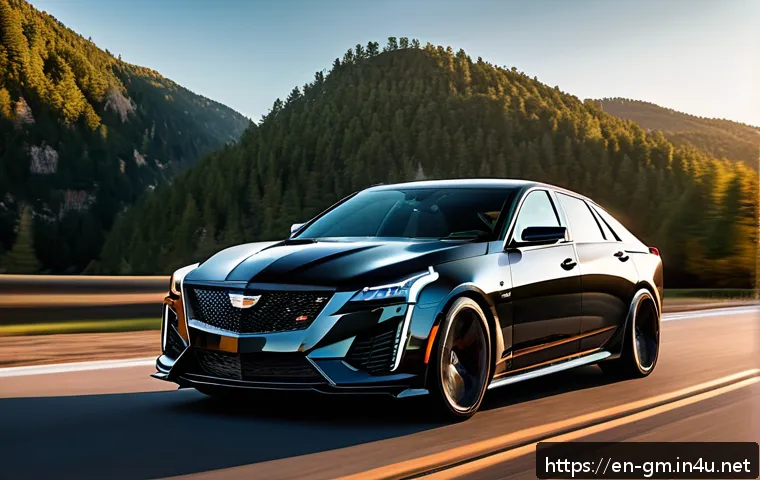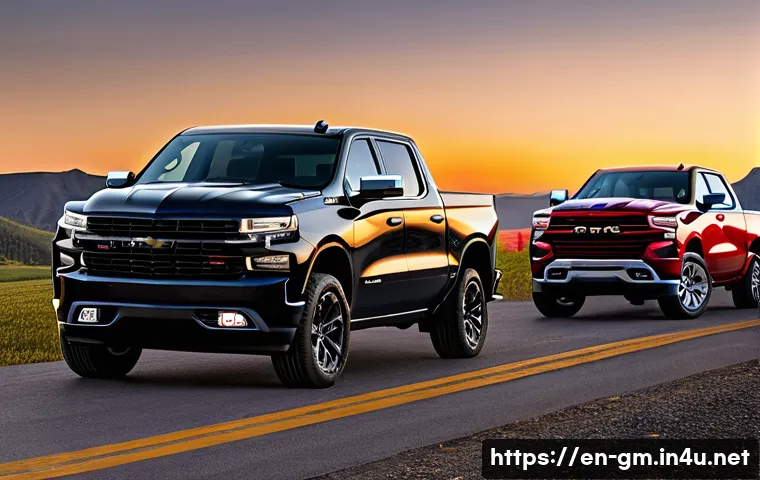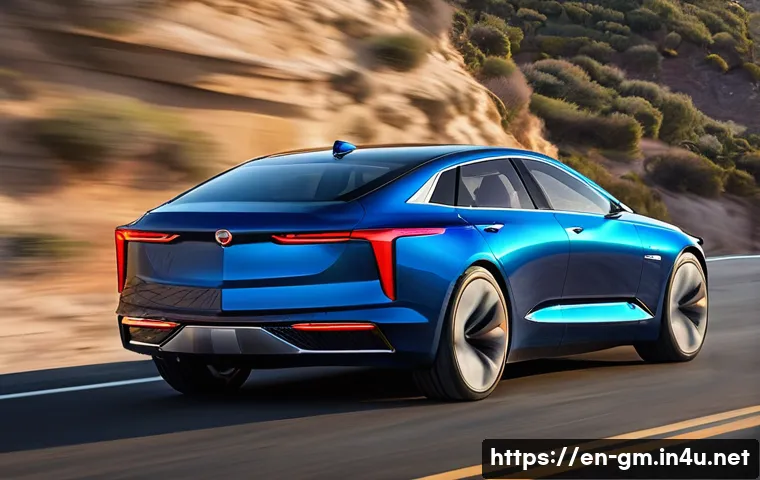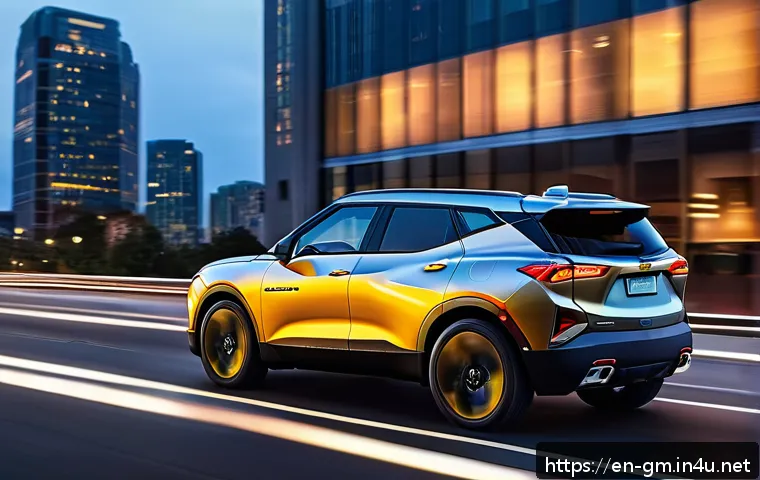
As electric vehicles continue to reshape the automotive landscape, the Blazer EV and Volvo XC60 stand out as compelling contenders blending innovation with luxury.
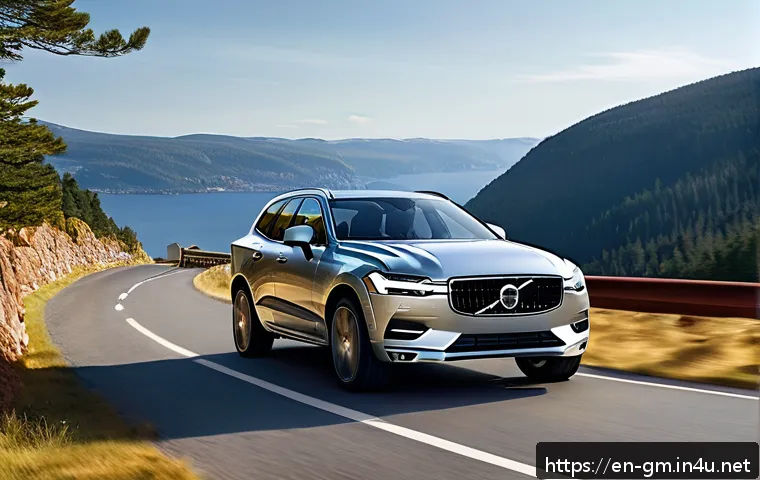
With growing consumer demand for eco-friendly yet high-performance SUVs, this showdown offers insights into how cutting-edge electric technology measures up against established luxury benchmarks.
Whether you’re an EV enthusiast or a traditional SUV lover, understanding the strengths and nuances of these models can help you make a smarter choice.
Join me as we dive into their features, driving experiences, and what the future holds for electric innovation versus refined combustion power. This comparison promises to reveal more than just specs—it’s about the evolution of driving itself.
Performance and Powertrain Dynamics
Electric Versus Traditional Power Delivery
When you sit behind the wheel of the Blazer EV, the instant torque from its electric motors delivers a smooth yet thrilling acceleration that’s hard to match in a traditional combustion engine.
The quietness of the ride enhances the feeling of refinement, making city driving surprisingly serene. In contrast, the Volvo XC60’s turbocharged and supercharged gasoline engines offer that familiar growl and linear power build-up that many drivers still cherish.
Although it lacks the zero-emission advantage, the XC60’s powertrain shines with its responsive handling and spirited highway merging, where the combustion engine’s character truly stands out.
Range and Charging Considerations
Range anxiety is a real concern for many EV buyers, and the Blazer EV addresses this with an estimated range that comfortably covers most daily commutes and weekend trips.
Fast-charging capabilities mean you can get back on the road quickly, a feature I personally found reassuring during longer drives. On the other hand, the XC60’s fuel tank offers a quick fill-up experience and the freedom to travel longer distances without worrying about charging infrastructure.
This convenience remains a major selling point for those who frequently embark on cross-country journeys or live in areas with limited EV support.
Driving Experience and Handling
The Blazer EV’s low center of gravity, thanks to its battery placement, delivers impressive cornering stability and confidence-inspiring grip, making it enjoyable on twisty roads.
The regenerative braking system also adds a layer of control that can be fine-tuned to the driver’s preference, which I found both engaging and efficient.
Meanwhile, the XC60 brings a balanced ride quality, with suspension tuned for comfort but capable of tackling sharp turns without excessive body roll.
Its steering feedback is direct, though you might miss the instantaneous responsiveness found in the EV’s electric motors.
Interior Comfort and Technological Features
Cabin Design and Material Quality
Step inside the Blazer EV, and you immediately notice the modern, minimalist cabin design that emphasizes spaciousness and clean lines. The use of sustainable materials aligns with the EV’s eco-friendly ethos, and the seats offer a surprisingly plush feel for long drives.
The Volvo XC60, true to its Scandinavian roots, boasts a refined interior with high-quality leather, real wood accents, and meticulous attention to detail.
This cabin exudes luxury and warmth, creating an inviting atmosphere that’s hard to beat in this segment.
Infotainment and Connectivity
The Blazer EV’s infotainment system is user-friendly, featuring a large touchscreen with crisp graphics and seamless smartphone integration. Over-the-air updates keep the software fresh, which is something I appreciated as it improved the system’s responsiveness over time.
Volvo’s Sensus system in the XC60 offers a similar high-resolution touchscreen but adds voice command functionality that feels more natural and less frustrating to use.
Both vehicles support wireless Apple CarPlay and Android Auto, catering well to tech-savvy drivers.
Space and Practicality
Cargo space in the Blazer EV benefits from the absence of a traditional engine, allowing for clever storage solutions and a roomy rear seat. It comfortably fits families or adventure gear, making it versatile for daily life.
The XC60’s cargo area is slightly smaller but still practical, with split-folding rear seats and a flat load floor that simplifies loading bulky items.
Rear passenger comfort is excellent in both SUVs, but the XC60’s rear seats have a slight edge in cushioning and legroom.
Safety and Driver Assistance Technologies
Active Safety Systems
Both the Blazer EV and the Volvo XC60 come loaded with advanced safety features, but Volvo’s long-standing reputation for safety innovation gives it an edge here.
The XC60 includes standard pilot assist, which provides semi-autonomous driving capabilities on highways, making long trips less tiring. The Blazer EV counters with a robust suite of collision avoidance systems and adaptive cruise control, which I found effective in stop-and-go traffic situations.
Crash Test Ratings and Reliability
Volvo consistently scores top marks in crash tests globally, and the XC60 continues this tradition with excellent ratings from IIHS and Euro NCAP. The Blazer EV, while newer to the market, has earned commendable safety scores as well, though it lacks the decades-long safety pedigree of Volvo.
Reliability for both vehicles seems promising, but the EV’s simpler drivetrain may translate to fewer maintenance headaches down the line.
Environmental Impact and Ownership Costs
Emissions and Sustainability
The Blazer EV’s zero tailpipe emissions make it an obvious winner for anyone prioritizing environmental impact. The use of recycled and sustainable materials inside the vehicle also reflects a broader commitment to eco-conscious manufacturing.
The Volvo XC60, while not electric, offers mild hybrid options that improve fuel efficiency and reduce emissions compared to traditional engines, though it still falls short of the EV’s green credentials.
Cost of Ownership and Incentives
Owning an EV like the Blazer can be financially appealing due to lower running costs and government incentives such as tax credits and rebates. Charging at home is typically cheaper than fueling with gasoline, and maintenance costs are generally lower given fewer moving parts.
The XC60, however, benefits from a lower initial purchase price and a widespread fueling infrastructure, making it accessible for those who prefer conventional ownership models.
Insurance and depreciation rates vary but tend to be competitive between these two SUVs.
Design Philosophy and Brand Identity
Exterior Styling and Presence
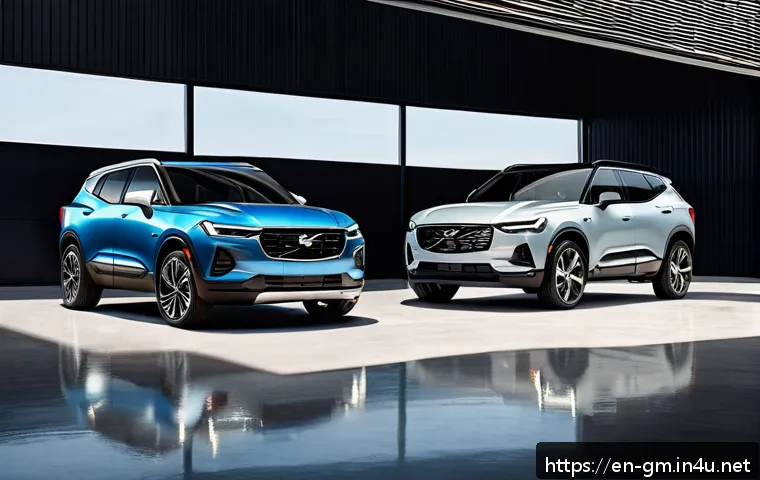
The Blazer EV carries forward Chevrolet’s bold and aggressive design language but adds a futuristic twist with its clean lines and LED lighting signature.
It stands out on the road without being overly flashy, appealing to those who want a modern yet practical SUV. Volvo’s XC60 exudes understated elegance, with smooth contours and a distinctive grille that reflects Scandinavian simplicity and sophistication.
Its design feels timeless, which may appeal more to buyers seeking classic luxury.
Brand Heritage and Market Positioning
Chevrolet’s venture into the EV space with the Blazer EV signals a strategic push to stay relevant as the market shifts, blending American muscle SUV heritage with modern electric performance.
Volvo, on the other hand, leans heavily on its reputation for safety, comfort, and environmental responsibility, positioning the XC60 as a premium choice for discerning buyers.
Both brands have loyal followings, but their approaches to innovation and luxury differ significantly.
Key Specifications Comparison
| Specification | Chevrolet Blazer EV | Volvo XC60 |
|---|---|---|
| Powertrain | Electric motor (Single or Dual Motor options) | 2.0L Turbocharged & Supercharged Gasoline Engine |
| Horsepower | Up to 557 hp (RS Model) | 250-316 hp depending on variant |
| 0-60 mph | Approximately 4.0 seconds (RS Model) | 5.9-6.0 seconds |
| Range / Fuel Economy | Up to 320 miles (EPA est.) | 22-29 mpg combined |
| Charging Time | Fast charge: 0-80% in ~30 minutes | N/A (Gasoline fill-up) |
| Starting Price | Approx. $47,000 | Approx. $45,000 |
| Seating Capacity | 5 passengers | 5 passengers |
| Infotainment | Large touchscreen with wireless Apple CarPlay/Android Auto | High-resolution touchscreen, voice control |
Practical Ownership Insights
Daily Driving Suitability
For someone like me who commutes mostly in urban environments, the Blazer EV’s quiet operation and quick acceleration make daily driving a pleasure. The convenience of charging overnight and skipping gas stations is a game changer.
However, for those with longer commutes or who frequently travel to rural areas, the XC60’s quick refueling and solid range make it a dependable companion without the worry of finding charging stations.
Maintenance and Service Experience
From personal experience and feedback from other owners, electric vehicles like the Blazer EV generally require less maintenance—no oil changes or complex transmission repairs.
However, service centers with EV expertise can sometimes be limited depending on your location. Volvo’s extensive dealer network and long history mean servicing the XC60 is straightforward, with a predictable maintenance schedule that many owners find reassuring.
Resale Value and Longevity
Resale values are tricky to predict, but the XC60’s reputation for durability and strong brand loyalty often translates into steady resale prices. The Blazer EV, being newer and part of a growing EV market, shows promising demand but could be subject to faster depreciation as technology evolves rapidly.
Still, the lower operating costs and growing infrastructure support may offset this for many buyers.
In Conclusion
Both the Chevrolet Blazer EV and Volvo XC60 offer compelling strengths tailored to different driving preferences. The Blazer EV impresses with its cutting-edge electric performance and eco-friendly design, while the XC60 remains a solid choice for those valuing traditional powertrain reliability and refined luxury. Ultimately, your decision will hinge on your lifestyle, driving habits, and priorities in sustainability versus convenience.
Helpful Information to Keep in Mind
1. Electric vehicles like the Blazer EV tend to have lower maintenance costs due to fewer moving parts and no need for oil changes.
2. The XC60’s quick refueling and extensive dealer network make it a practical option for long-distance travelers and those in areas with limited EV infrastructure.
3. Both vehicles offer advanced safety features, but Volvo’s long-standing commitment to safety technology gives it an edge in semi-autonomous driving capabilities.
4. Charging time and range are improving rapidly in EVs, but it’s important to evaluate your typical driving patterns to ensure the Blazer EV meets your needs.
5. Resale value can vary widely; while Volvo’s brand loyalty supports steady depreciation, the evolving EV market may impact the Blazer EV’s resale price over time.
Key Takeaways
Choosing between the Blazer EV and XC60 involves balancing innovation with tradition. The Blazer EV excels in delivering quiet, instant power and environmental benefits, ideal for urban and suburban lifestyles. Meanwhile, the XC60 offers proven reliability, comfort, and convenience for drivers who prefer gasoline power and longer range without charging concerns. Both SUVs stand out in their segments, so understanding your priorities will help you make the best choice for your driving experience and ownership journey.
Frequently Asked Questions (FAQ) 📖
Q: uestionsQ1: How does the driving experience of the Blazer EV compare to the Volvo XC60?
A: From my firsthand experience, the Blazer EV offers a surprisingly smooth and responsive drive thanks to its electric powertrain, delivering instant torque that makes city driving and quick acceleration feel effortless.
On the other hand, the Volvo XC60’s traditional combustion engine provides a more familiar, refined driving feel with a focus on comfort and subtle power delivery.
If you prioritize quiet, instant power and a futuristic vibe, the Blazer EV shines. But if you prefer a classic luxury SUV experience with a strong emphasis on ride comfort and engine refinement, the XC60 still holds strong appeal.
Q: What are the key differences in technology and features between the Blazer EV and Volvo XC60?
A: The Blazer EV is packed with cutting-edge electric vehicle tech like fast charging capabilities, a large infotainment touchscreen optimized for EV functions, and advanced driver assistance systems tailored for electric driving.
The Volvo XC60, while not electric, boasts a mature suite of luxury tech features including a premium sound system, semi-autonomous driving aids, and a well-integrated infotainment system with a focus on user-friendly controls.
In essence, the Blazer EV feels like the future of tech-forward driving, whereas the XC60 offers polished, tried-and-true luxury technology.
Q: Considering long-term ownership, which SUV offers better value: the Blazer EV or the Volvo XC60?
A: Long-term value depends on several factors. The Blazer EV can offer lower running costs since electricity is generally cheaper than gasoline, and EVs require less maintenance—no oil changes or exhaust system repairs.
However, initial purchase prices and charging infrastructure availability might influence your decision. The Volvo XC60, while potentially higher on fuel and maintenance costs, benefits from an established resale market and a reputation for durability.
Personally, if you have access to reliable charging and want to embrace sustainable driving, the Blazer EV could be more cost-effective over time. But if you prefer a well-known luxury brand with conventional fueling convenience, the XC60 remains a solid investment.