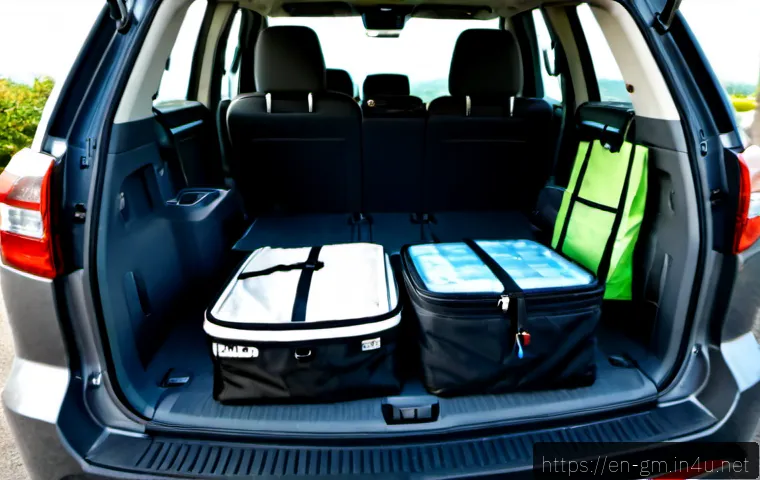
The Chevrolet Traverse can work well for family passengers and everyday cargo, but the best interior setup depends on how often every seat is occupied.
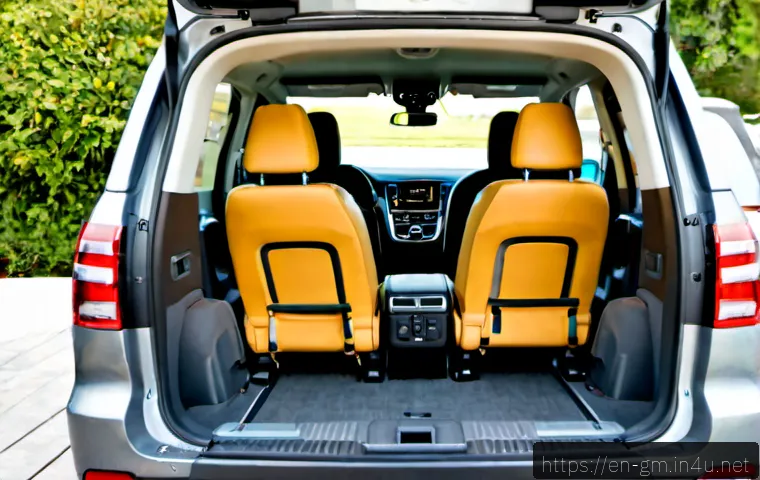
A second-row bench can favor maximum seating, while captain’s chairs can make third-row access easier. Before comparing a purchase, lease, or trade-in offer, decide whether your routine is mostly carpools, road trips, large-item hauling, or a mix of all three.
Published cargo measurements are useful, but they do not show how your own stroller, luggage, child seats, or sports gear will load in real life. Checking the exact model year and trim is important because seating layouts and seat-folding features can vary.
A practical dealer test drive can reveal more than a spec sheet.
At a Glance
- Large families: A second-row bench may be the better starting point when maximum passenger capacity is the priority.
- Frequent third-row use: Captain’s chairs can make walk-through access simpler for children and adults getting to the back.
- Mixed-use drivers: Compare the exact trim’s rear-seat functions, cargo area, and accessory options before choosing a payment or lease plan.
| Decision point | Second-row bench | Second-row captain’s chairs |
|---|---|---|
| Primary advantage | Can prioritize total seating capacity. | Can prioritize easier third-row entry. |
| Best for | Families that regularly fill more seating positions. | Families with frequent back-row passengers or child-seat routines. |
| Walk-through access | Usually requires using the seat-folding or sliding path available on that configuration. | A center passage can be more convenient, depending on the exact layout. |
| Cargo planning | Useful when people come first, but all occupied rows can reduce room for travel bags. | Convenient access can help daily use, but cargo capacity still depends on how many rear seats are in use. |
| What to verify | Exact seating capacity, child-seat access, and folding operation for the model year and trim. | Exact chair configuration, third-row access, and available cargo-management features. |
What the Traverse Interior Can Handle in Everyday Use
Quick answer: the best layout depends on whether passengers or cargo come first
The Chevrolet Traverse is a three-row midsize crossover SUV designed around family passenger space and cargo use. That does not mean one setup fits every household. A family that carries several children or carpools often may put seating capacity first. A family that uses the third row frequently may value a layout that makes getting to the back easier.
Start with your most common weekday, not your occasional big trip. Ask how many people ride in the vehicle on a normal school run, whether child seats stay installed, and what usually sits behind the third row. Those answers are more useful than choosing a trim only because it looks well equipped on a dealer listing.
For occasional large loads, folded rear rows can make the cabin more flexible. For regular airport trips or vacations, however, the important question is whether luggage still fits when every needed passenger seat is occupied.
The three areas that determine usable space: rows, access, and loading room
Rows determine how many people can ride. Depending on model year and configuration, some Traverse versions can accommodate up to eight occupants. Confirm the capacity for the exact vehicle, because a seating choice can change the practical role of the SUV.
Access matters when the third row is used every day. A rear seat that is technically available is not automatically convenient when a child seat, bag, or passenger blocks the route. Captain’s chairs typically improve access to the third row, while a bench-style second row can put the emphasis on total seating.
Loading room is the area that remains after passengers are seated. Traverse cargo volume is generally measured behind the third row, behind the second row, and with rear seats folded. Each measurement describes a different use case. Compare the position that resembles your real routine rather than focusing only on the largest published figure.
Why published cargo volume is not the same as practical packing space
Cargo figures help with an SUV comparison, but they cannot tell you whether a particular stroller, pet crate, golf bag, suitcase, or equipment bag will fit comfortably. Shape matters. So does the height of the load floor, the opening at the liftgate, and the way the item must be turned to enter.
A family may have enough measured cargo space for a trip but still find packing awkward if several hard-sided cases cannot stack well. Another driver may need only a compact organizer for groceries and school bags. Bring the items that define your routine when possible, or at least bring a tape measure and a realistic list of dimensions.
Compare Seating Layouts Before Choosing a Traverse
Second-row bench: when maximum passenger capacity matters
A second-row bench is worth close consideration when your household regularly needs more seating positions. This may suit larger families, carpools, or drivers who occasionally carry relatives, teammates, or friends. If your priority is having the possibility of accommodating more people, verify the exact capacity listed for the specific year and trim.
The trade-off is routine access. Consider how passengers will reach the third row when the second row is occupied. If child seats remain installed most of the time, test the available access path instead of assuming it will work smoothly.
A bench can be the practical answer for a passenger-heavy routine, but it should not be selected without checking the everyday loading process. The best choice is the one that your family can use without repeatedly moving bags, seats, or child restraints.
Captain’s chairs: when third-row access and family convenience matter more
Second-row captain’s chairs typically create a more direct route toward the third row. That can be useful when children climb into the back often, when adults need to enter without folding a seat, or when the SUV serves as a regular road-trip vehicle.
The convenience is not only about entry. A clearer path through the cabin can reduce the need to unload small bags before someone gets in or out. Still, captain’s chairs do not automatically make the vehicle better for every household. If your highest-priority scenario is carrying the greatest number of passengers, compare that need against the available seating configuration.
During a dealer test drive, have each regular passenger enter and exit from the side they would normally use. This simple check is especially valuable when comparing trims with different second-row arrangements.
Comparison table: seats, child-seat routines, walk-through access, and cargo trade-offs
Use the table above as a starting point, then test the layout with your own routine in mind. A buyer with two child seats and frequent third-row riders may reach a different conclusion than a buyer who needs occasional eight-passenger flexibility.
Do not choose based on capacity alone. Test how the seats move, how easy it is to reach buckle locations, and whether the remaining cargo space handles the items you carry every week.
Set Up the Cabin for Groceries, Strollers, Luggage, and Sports Gear
Keeping all three rows in use without losing essential cargo space
When all three rows are occupied, the space behind the third row becomes especially important. Use it for the items you need at the destination first: a compact stroller, a small grocery load, soft travel bags, or daily essentials. Avoid packing loose objects that can shift around during the drive.
Soft-sided bags can be easier to arrange than rigid luggage when the rear area is limited. A family road-trip packing plan may also place snacks, chargers, medications, and travel documents inside the cabin rather than burying them under larger bags. Keep frequently used items within reach, but do not let them interfere with passenger space or safe entry and exit.
For school runs, a small cargo organizer can separate groceries from backpacks, sports shoes, and reusable bags. Compare organizer designs based on the shape of the cargo area and whether they can be removed quickly when a larger load is needed.
Folding rear rows for large-item trips
Recent-generation Traverse models have offered a split-folding third row and configurable second-row seating, although the exact mechanisms vary by trim and year. This flexibility can be useful when you need to carry a mix of passengers and longer cargo.
Before buying, operate the rear seats yourself. Check whether folding them requires reaching from a particular door, whether the movement feels manageable, and whether the resulting space suits the items you expect to carry. If a trim offers powered seat functions, verify exactly which seats and movements are included rather than assuming every rear-seat function is standard.
For home-improvement supplies, outdoor equipment, or bulky weekend purchases, a folded-row setup may be more useful than paying for a larger SUV. The important limitation is that folding seats reduces available passenger positions, so plan around the trips you take most often.
Small-item storage strategies for bags, chargers, snacks, and emergency supplies
Interior space is not only about the large cargo area. A well-organized cabin feels more usable when everyday small items have designated places. Keep charging cables, tissues, snacks, sunglasses, and small bags grouped so they do not migrate between rows.
A simple approach is to create three categories: daily-use items, trip-only items, and emergency supplies. Daily items should stay accessible. Trip-only items can be packed before departure. Emergency supplies should remain secure and easy to locate without filling the main passenger areas.
When comparing a family vehicle, open storage compartments and check whether they are practical with the front seats adjusted for the regular driver and passenger. A compartment that looks useful while parked may be less convenient once the cabin is fully occupied.
Cargo accessories worth comparing: liners, organizers, roof storage, and hitch carriers
Cargo liners can be useful for muddy shoes, pets, groceries, and equipment that may leave dirt or moisture behind. Compare coverage, ease of cleaning, and whether the liner still works when the rear seats are folded in different positions.
Organizers can help prevent small bags and loose supplies from rolling around. They are often most useful for drivers who switch between school runs, errands, and weekend activities without needing a permanent large accessory.
Roof storage may help when passenger seating must remain available and the interior cargo area is already committed to luggage. Hitch carriers may also be worth comparing for certain gear needs. Both require care: check vehicle limits, accessory instructions, clearance, and the exact vehicle equipment before loading anything. An accessory is helpful only when it fits your routine and can be used within the vehicle’s stated limits.
Avoid Common Space-Planning Mistakes
Assuming every third-row seat is equally comfortable for every passenger
Third-row usability depends on the passenger, the seating layout, and the trip length. A space that works for a child on a short local drive may feel different for an adult on a longer trip. Have the people who will actually ride there sit in the third row during the test drive.

Check legroom, entry, exit, and the ability to reach seat belts without difficulty. Do not rely on a quick glance from outside the vehicle.
Buying before testing a real stroller, car seat, or travel bag
A published cargo measurement cannot replace a real fit test. If a stroller, child seat, pet crate, wheelchair, or sports bag is essential to your daily routine, bring it to the dealership if permitted. Test it with the seating arrangement you will actually use.
For child seats, check the installation process and then test access to the third row with the seats in place. For luggage, test the number and shape of bags you normally carry rather than one empty suitcase.
Forgetting liftgate clearance, garage space, and loading height
Think beyond the cargo area itself. A liftgate needs room to open, and your parking location may affect how convenient loading feels. Check garage clearance, the space behind the vehicle in your usual parking spot, and whether lifting heavier items to the cargo floor feels comfortable.
This matters for daily grocery runs as much as for vacations. A vehicle can have flexible seating but still be inconvenient if your normal loading environment is tight.
Overloading roof or hitch accessories without checking vehicle limits
Roof boxes, cargo baskets, and hitch-mounted carriers can expand your options, but they are not a substitute for checking the vehicle’s limits and the accessory’s instructions. Weight, mounting requirements, clearance, and visibility all matter.
Ask the dealer or consult official vehicle documentation for the exact year and trim. Do not assume that roof rails, a hitch, or cargo-management equipment are included on every Traverse.
Match the Interior Layout to Your Driving Routine
School-run and carpool households
For school-run households, start with the number of regular passengers. If the vehicle often carries a full group, a configuration that prioritizes seating capacity may deserve more weight. If children use the third row daily, easier walk-through access may matter more than an occasional extra seating position.
Test the routine at the dealership: open the doors, load backpacks, place child seats if relevant, and have passengers climb into the rear. The best three-row SUV layout should reduce friction during busy mornings.
Road-trip families with several suitcases
Road-trip buyers should test the Traverse with all expected passenger rows in use. The key question is not simply whether the SUV has a large maximum cargo figure. It is whether the area behind the third row handles the luggage you bring when the family is seated.
Make a packing list before shopping. Include suitcases, a stroller if applicable, snacks, chargers, and any travel equipment that normally goes with you. If the full load does not fit comfortably, compare cargo accessories before automatically moving to a larger SUV.
Drivers who regularly carry pets, outdoor gear, or home-improvement supplies
For pet owners, outdoor enthusiasts, and home-project drivers, rear-seat flexibility may be the deciding factor. Split-folding rear seating can allow a passenger-and-cargo combination that a fixed layout cannot. A washable cargo liner or removable organizer may make everyday use easier.
Consider whether the cargo is clean, dirty, bulky, long, or awkwardly shaped. A pet crate or long equipment bag should be tested in person. For occasional oversized loads, folding seats may be sufficient; for frequent loads, compare roof storage or hitch carrier options carefully.
Buyers comparing the Traverse with other three-row SUVs
When doing a three-row SUV comparison, use the same test for every vehicle. Compare how many people you need to carry, how passengers reach the third row, what fits behind it, and how easily the rear seats fold. This avoids being distracted by a single headline cargo number or an attractive trim feature.
Also compare the exact trim-level seating choices, cargo accessories, and available equipment before discussing financing, a lease, or trade-in value. The model name alone does not tell you which interior functions are included.
Selection Criteria and Comparison Summary
Choose a bench or captain’s chairs based on your most frequent passenger scenario
Choose a second-row bench when your normal use places the highest value on total passenger capacity. Choose captain’s chairs when frequent third-row entry is the bigger daily issue. If your needs change week to week, focus on the arrangement that handles your busiest and least flexible routine.
Compare the exact trim’s seat functions and cargo features, not just the model name
Traverse seating, folding features, roof rails, and cargo-management accessories can vary by model year, trim, and market. Ask for the exact vehicle details in writing or review the official specifications for the vehicle you are considering. This is especially important when comparing a new purchase, a used listing, or a lease offer.
Test-drive checklist before discussing price, financing, or trade-in value
Before moving into payment planning, use this checklist:
- Confirm the exact seating capacity and second-row configuration.
- Operate the third row and test how passengers enter and exit.
- Bring or measure your stroller, child seats, luggage, pet crate, or sports gear.
- Check the liftgate opening, loading height, and parking-space clearance.
- Verify seat-folding functions, roof rails, hitch equipment, and cargo accessories for that trim.
- Compare the full vehicle offer, including purchase or lease terms, trade-in value, and accessory costs separately.
For official equipment details and current terms, check the relevant vehicle listing, manufacturer information, and dealer paperwork before you commit.
Closing Thoughts
The Chevrolet Traverse can be a practical family vehicle when its seating layout matches your real passenger and cargo routine. A bench and captain’s chairs solve different problems, so neither choice is automatically better. Test the rear rows with the people and equipment you use most. Then compare trim features, accessories, and financial terms with a clear idea of what the interior must handle.
Useful Things to Know
1. Cargo space should be evaluated in the seating position you use most often, not only with all rear seats folded.
2. A child seat can change third-row access significantly, so test both at the same time.
3. A removable organizer or cargo liner may solve a daily storage problem without requiring a larger SUV.
4. Roof and hitch accessories should always be matched to the exact vehicle equipment and stated limits.
Important Notes
Exact cargo-volume figures, interior dimensions, seating capacity, seat-folding mechanisms, and available accessories can vary by model year, trim, and market. Purchase prices, lease payments, insurance costs, incentives, trade-in values, and used-vehicle condition also vary. Confirm official specifications and inspect the particular vehicle before making a decision.
Frequently Asked Questions
Q1. Is the Chevrolet Traverse large enough for a family of seven or eight?
A1. Some Traverse configurations can accommodate up to eight occupants, but the exact seating capacity depends on the model year and configuration. For a family of seven or eight, check the specific vehicle’s seating layout and test how much usable cargo space remains when all required seats are occupied.
Q2. Are second-row captain’s chairs or a bench seat better for a Chevrolet Traverse?
A2. A bench can be better when maximum passenger capacity is the priority. Captain’s chairs can be better when regular third-row access is more important. The right choice depends on your usual passenger count, child-seat setup, and how often people need to enter the back row.
Q3. How should I test Chevrolet Traverse cargo space before buying one?
A3. Test the cargo area with the seating arrangement you expect to use most. Bring or measure key items such as a stroller, child seat, travel bag, pet crate, golf bag, or sports equipment. Also check liftgate clearance, loading height, rear-seat folding effort, and the space available with all passenger rows in use.