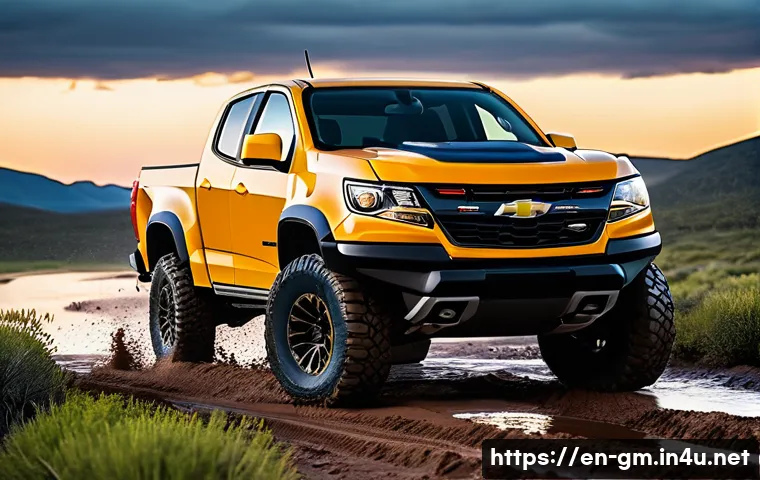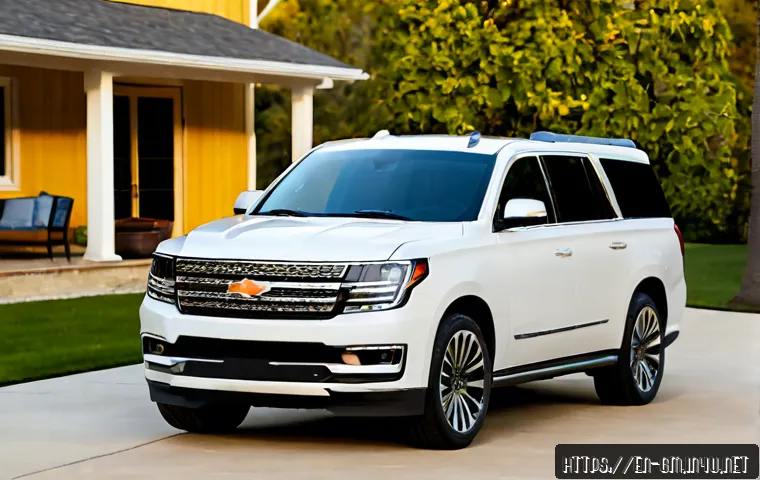
GMC Yukon and Ford Expedition are both large three-row SUVs, but they suit different priorities. Compare space, towing needs, trim value, ownership costs, and test-drive checks before choosing.
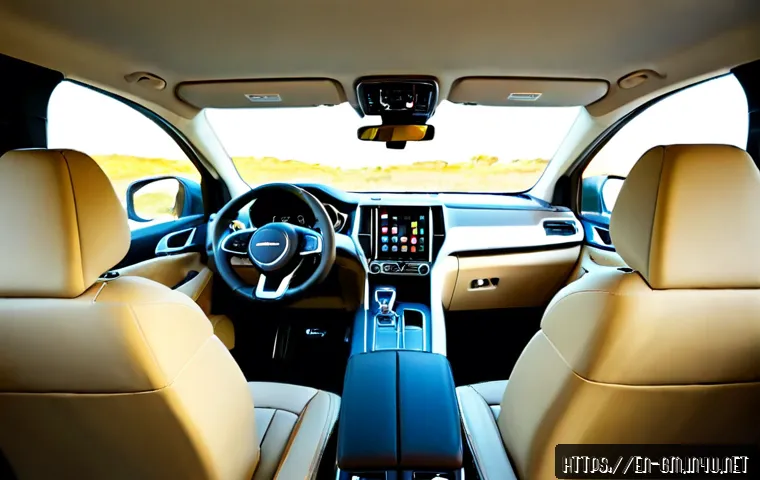
The GMC Yukon is often the stronger fit for shoppers who want a premium-feeling cabin, available luxury features, or the Yukon XL’s added cargo-focused format.
The Ford Expedition is a strong alternative for buyers comparing three-row space, towing equipment, and trim value—especially when a similarly equipped vehicle offers a better total ownership picture.
Neither SUV is automatically the better choice because the right answer depends on passengers, cargo, trailer setup, payment expectations, and the exact model year.
Before comparing lease or finance payments, match wheelbase, drivetrain, towing package, and major comfort features. Used buyers should place service history, condition, recalls, and included equipment ahead of the badge on the grille.
A careful comparison can prevent paying extra for luxury or towing hardware that will not be used.
At a Glance
- Choose the GMC Yukon if premium trim appeal, available luxury equipment, or the longer Yukon XL matches your needs.
- Choose the Ford Expedition if its comparable trim, available towing equipment, and local purchase or finance terms create a better fit.
- Compare configurations, not just model names: wheelbase, payload, tow package, condition, and total ownership costs can change the result.
| Decision Factor | GMC Yukon | Ford Expedition | What to Confirm |
|---|---|---|---|
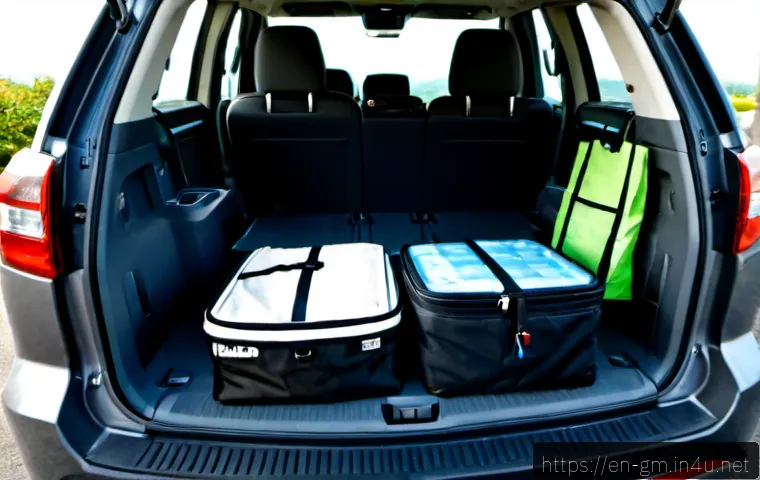
| Family and cargo use | Three-row layouts are common; Yukon XL is the longer option. | Three-row layouts are common; Expedition MAX is the longer option. | Third-row access, cargo room behind the third row, and garage fit. |
| Towing priorities | Capability varies by engine, drivetrain, payload, wheelbase, and tow equipment. | Capability varies by configuration and factory towing equipment. | Payload label, hitch setup, trailer-brake features, and vehicle-specific rating. |
| Powertrain approach | Powertrain options have varied by generation and trim. | Recent generations have commonly used turbocharged V6 power. | Exact engine, drivetrain, service history, and test-drive behavior. |
| Budget and ownership | Premium trims can substantially raise the purchase price and replacement costs. | Equipment level can substantially affect price, insurance, and ownership expenses. | Out-the-door quote, finance offer, insurance quote, tire condition, and trade-in estimate. |
The Quick Answer: Choose Based on Space, Towing, and Trim Value
The best full-size SUV is the one that fits your real workload. A Yukon or Expedition can be a capable family vehicle, tow vehicle, and long-trip SUV, but optional equipment can make two examples of the same nameplate very different purchases. Start with how many people ride regularly, how much cargo stays behind the third row, and whether a trailer is part of the plan.
When the Yukon Is the Stronger Match
The GMC Yukon may be the better match when you place a high value on a more premium presentation, upgraded interior features, or a specific Yukon trim that has the equipment you actually want. The Yukon XL deserves a close look if cargo space behind the third row is a regular need rather than an occasional vacation problem.
Be cautious with feature-heavy versions. Advanced driver assistance systems, larger wheels, air suspension, luxury cabin upgrades, and towing technology can add meaningful cost. They may be worthwhile, but only if they solve a need you will use often.
When the Expedition Is the Stronger Match
The Ford Expedition can be the stronger choice when an equivalent vehicle has the preferred seating layout, towing hardware, and a more comfortable purchase or financing structure. For shoppers carrying luggage, sports gear, strollers, or road-trip supplies behind an occupied third row, the Expedition MAX is the version to compare against the Yukon XL.
Recent Expedition generations have commonly used turbocharged V6 power. That does not make every Expedition the same, so confirm the exact model year, engine, drivetrain, equipment list, and maintenance records before deciding between a new or used SUV.
The Three Questions to Answer Before Comparing Dealer Quotes
- Do you need the standard-length SUV, or do you truly need the longer Yukon XL or Expedition MAX?
- Will you tow often, and have you matched your trailer needs to payload as well as the advertised tow rating?
- Which features are must-haves, and which ones only increase the vehicle price, lease payment, insurance cost, or future repair exposure?
Side-by-Side Comparison: Size, Seating, Cargo, and Everyday Comfort
Both models are full-size, body-on-frame SUVs built around passenger capacity, towing, and larger cargo needs. That basic mission makes either one a reasonable starting point for a large household, but daily use can feel very different based on length, wheels, seating layout, and parking environment.
Standard-Length Versus Extended-Length Models
The shorter Yukon and Expedition may be easier to live with in tighter driveways, garages, and parking areas. Their extended-length counterparts—the Yukon XL and Expedition MAX—are aimed at shoppers who prioritize cargo room behind the third row.
Do not assume the longest model is automatically the best family choice. Measure your garage, consider regular parking locations, and think about whether the added length will be useful every week. If the vehicle mostly carries a few passengers, a standard-length version may be easier to manage.
Third-Row Access and Real-World Family Use
Three-row seating is common across both model lines, but seating layouts and available features vary by model year and trim. Bring the people who will use the third row most often to the test drive when possible. Check how easily they enter, where they place their feet, and whether child seats affect access to the rear.
Also test the everyday details: loading groceries, folding seats, reaching cargo from the liftgate, and finding usable storage for bags. A large SUV can look spacious on a dealer lot while still being inconvenient for your specific routine.
Parking, Garage Fit, and Large-Wheel Trade-Offs
Large wheels can enhance appearance, but they can also change tire replacement considerations and ride preferences. Before choosing a premium trim, inspect the tire condition on a used SUV and ask what size is fitted. That matters when estimating ownership costs beyond the initial vehicle price.
During a test drive, use tight turns, a parking space, and your normal visibility checks. Comfort at low speed can matter as much as highway comfort when the vehicle will be used for school runs, errands, and crowded lots.
Price, Financing, and Ownership Value
A base MSRP comparison is only a starting point. The useful comparison is between two SUVs with similar seating, drivetrain, towing equipment, safety technology, wheel size, and condition. A lower advertised price can lose its advantage if the vehicle lacks a needed tow package or requires costly additions later.
Comparing Similarly Equipped Trims Instead of Base MSRP
Create a short equipment list before requesting quotes. Include the wheelbase, drivetrain, seats, towing package, driver-assistance features, and any luxury features that genuinely matter. Then compare the out-the-door quote, not just a monthly payment or a headline vehicle price.
For new SUVs, review local inventory, current finance offers, lease terms, taxes, registration charges, and dealer-installed accessories. For a trade-in, request more than one estimate and compare the offer against the condition and equipment of your current vehicle.
New Versus Used: Depreciation, Warranty, and Inspection Priorities
A used Yukon or Expedition may offer a different value equation, but the model year and condition matter more than broad assumptions about either nameplate. Review mileage, accident history, maintenance records, open recalls, tire condition, and included equipment. A factory tow package is not something to assume from a hitch alone.
Consider whether remaining factory coverage or an available extended warranty has value for your situation. Read coverage terms carefully. An extended warranty should be evaluated as a contract with exclusions and conditions, not as automatic protection from every repair.
Fuel, Insurance, Tires, Maintenance, and Total-Cost Considerations
A full-size SUV budget should include more than the purchase price. Build a realistic ownership view using fuel, insurance, tires, routine maintenance, financing costs, and expected resale value. Exact insurance premiums, fuel expenses, interest rates, and local fees need to be quoted for your location and chosen vehicle.
A useful question is not simply, “Can I afford this payment?” Ask, “Can I comfortably own this configuration after insurance, tires, service, and the equipment needed for my trailer or family routine?” Compare insurance quotes for the exact VIN when possible.
Towing, Payload, and Capability Checks That Prevent Costly Mistakes
Towing is where configuration details matter most. Available towing capacity depends on the engine, drivetrain, wheelbase, factory tow package, payload rating, and vehicle configuration. The number in an advertisement may not apply to the exact SUV on the lot.
Why Payload Can Limit a Towing Setup Before Maximum Tow Rating Does

Payload is the weight the SUV can carry, including passengers, cargo, accessories, and trailer-related weight placed on the vehicle. A family, luggage, a hitch setup, and trailer load can affect the practical setup before a maximum tow rating becomes relevant.
Check the vehicle-specific payload information and compare it with your actual passenger and cargo plans. This step is especially important for travel-trailer shoppers who expect to fill every seat and bring gear for a trip.
Factory Tow Packages, Hitch Equipment, and Trailer-Brake Features
Do not treat a receiver hitch as proof that an SUV has all the towing equipment you need. Confirm whether the vehicle includes the appropriate factory tow package, hitch equipment, trailer-brake features, cooling-related equipment, and towing technology for the setup you intend to use.
If you are shopping used, ask for documentation of included equipment and inspect the vehicle carefully. Any aftermarket changes should be understood before they are counted as part of your towing plan.
Questions to Ask Before Towing a Boat, Camper, or Work Trailer
- What is the loaded weight of the trailer, not only its empty listed weight?
- How many passengers and how much cargo will be in the SUV while towing?
- What does the specific vehicle’s payload information show?
- Does the exact vehicle have the necessary tow package and trailer-brake equipment?
- Will the standard or extended wheelbase better fit your cargo and driving needs?
Which SUV Works Best for Your Situation?
There is no universal winner because a premium family SUV is not a single-use purchase. Use the scenarios below to narrow the field before you invest time in dealer visits, financing applications, or trade-in negotiations.
Large Families and Frequent Road Trips
Start with third-row access, seat comfort, and space behind that third row. Compare the Yukon XL and Expedition MAX if you routinely travel with a full cabin and substantial luggage. If garage space and daily maneuvering are bigger concerns, test the standard-length models first.
Boat, Camper, and Trailer Owners
Choose the SUV that matches your actual payload and tow-equipment needs, not the one with the most appealing headline claim. Verify the vehicle-specific configuration, then test how it feels with normal passenger and cargo expectations in mind.
Luxury-Focused Buyers and Technology Shoppers
The Yukon may appeal to buyers who prioritize a premium interior experience and available upscale features. The Expedition may be compelling when its trim and equipment package delivers the technology you want at a more suitable local transaction cost. Compare feature lists line by line, because premium trims can add substantial expense on either model.
Used-SUV Buyers Seeking the Best Value
A well-documented used example can be more attractive than a newer SUV with unclear maintenance or accident history. Prioritize inspection results, service records, recalls, tire condition, and included towing equipment. Obtain a vehicle history report, but do not use it as a replacement for a thorough inspection.
Selection Criteria and Final Comparison Summary
Use a simple scorecard before committing to a Yukon or Expedition. Rate each exact vehicle for passenger space, cargo practicality, towing configuration, comfort features, payment structure, insurance cost, and condition. A vehicle that wins on only one category may not be the better long-term purchase.
A Practical Scorecard for Space, Towing, Comfort, and Cost
For space, score third-row access and cargo room with your seats in use. For towing, score payload information, factory equipment, and trailer compatibility. For comfort, score visibility, ride preference, seat usability, and features you will use. For cost, score the out-the-door quote, finance or lease terms, insurance quote, tire condition, maintenance records, and likely future needs.
Test-Drive and Dealer-Quote Checklist
- Compare similarly equipped trims and verify the exact wheelbase and drivetrain.
- Confirm the window sticker or equipment documentation before assuming a feature is included.
- Inspect third-row access, cargo loading, parking ease, and tire condition.
- Request an out-the-door quote that includes applicable local charges.
- Compare finance offers, trade-in estimates, and insurance costs separately from the vehicle price.
- For towing, verify payload, tow equipment, and the configuration-specific rating.
Make the Final Choice Using Your Actual Cargo, Passenger, and Payment Needs
The final decision should reflect your most common use, not the rarest possible scenario. Compare similarly equipped trims, confirm the window sticker, and request an out-the-door quote before choosing. For current inventory, finance conditions, trade-in estimates, warranty terms, and insurance details, review the applicable provider or dealer pages for the exact vehicle.
Closing Thoughts
The GMC Yukon and Ford Expedition are both credible choices for shoppers who need a full-size, three-row SUV with towing potential. The Yukon may stand out when premium trim appeal or the Yukon XL format fits your priorities. The Expedition may make more sense when its configuration and local ownership numbers align better with your plan. The smarter purchase is the specific SUV that meets your passenger, cargo, towing, and budget requirements without unnecessary equipment.
Useful Things to Know
1. Extended-length models are most valuable when cargo behind the third row is a frequent requirement.
2. A trailer setup should be evaluated with payload, passengers, cargo, and equipment—not only a maximum tow figure.
3. Large wheels and premium features can affect ownership costs beyond the original purchase or lease payment.
4. A used SUV’s maintenance records, tire condition, accident history, recalls, and equipment list deserve close review.
Important Notes
Exact MSRP, incentives, dealer discounts, finance rates, lease terms, insurance premiums, cargo measurements, fuel economy, towing ratings, payload, and available features depend on the specific model year, trim, configuration, location, and vehicle condition. Confirm all details using the exact VIN, window sticker, owner documentation, and current dealer or insurer information. A professional inspection can be helpful when considering a used full-size SUV.
Frequently Asked Questions
Q1. Is the GMC Yukon or Ford Expedition better for towing a travel trailer?
A1. Either may work, but the better choice depends on the exact vehicle configuration and your loaded trailer setup. Confirm the engine, drivetrain, wheelbase, factory tow package, payload rating, hitch equipment, passenger load, and trailer-brake features before deciding. Payload can be a practical limit even when an advertised towing number appears sufficient.
Q2. Which is usually the better value: a new Yukon or a new Expedition with similar features?
A2. There is no fixed answer. Compare similarly equipped trims using the local out-the-door price, finance or lease terms, insurance quote, trade-in offer, included towing equipment, and expected ownership costs. Base MSRP alone does not show which vehicle is the better value for your needs.
Q3. Should I choose the Yukon XL or Expedition MAX instead of the standard-length version?
A3. Choose the longer version when you regularly need more cargo room behind an occupied third row. Choose a standard-length model if everyday parking, garage fit, and maneuverability matter more than added rear cargo space. Measure your usual parking area and test the seating and cargo layout before committing.